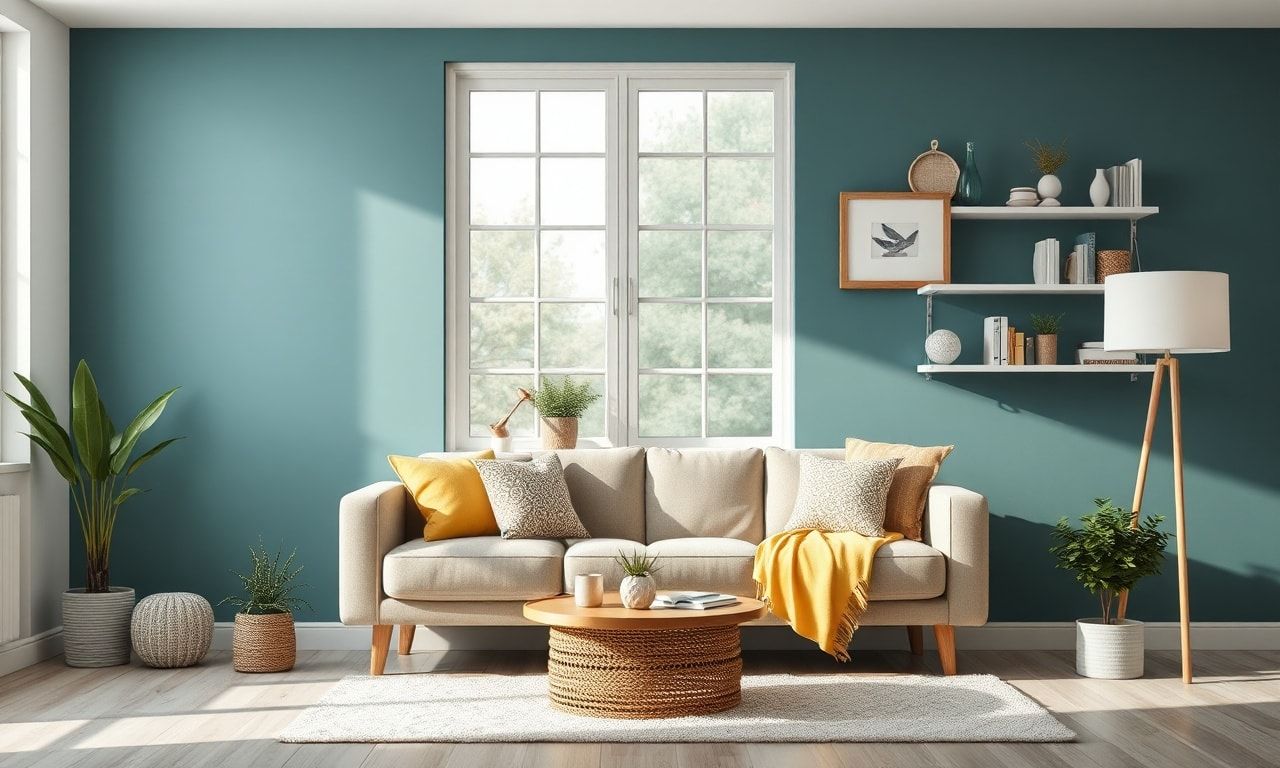
The Importance of a Healthy Home Environment
A healthy home environment plays a crucial role in maintaining overall well-being. The spaces we inhabit significantly influence our mental health, stress levels, and even our physical health. Creating a sanctuary that promotes relaxation, productivity, and happiness is essential for a balanced life.
Designing a Mental Health-Friendly Space
Designing a space that supports mental health involves more than just aesthetics. It’s about creating an environment that fosters positivity, reduces stress, and promotes relaxation. Here are some tips to help you design a mental health-friendly space:
1. Natural Light and Airflow
Natural light and fresh air are fundamental elements of a healthy home. They not only improve mood but also enhance productivity and sleep quality. Ensure your living spaces have adequate windows and consider using light-colored curtains to maximize natural light. Additionally, good ventilation helps in reducing indoor pollutants and maintaining air quality.
2. Clutter-Free Environment
A clutter-free environment is essential for mental clarity and reducing stress. Regularly decluttering and organizing your space can help create a sense of order and calm. Invest in storage solutions that keep your belongings organized and out of sight. If you’re looking for inspiration, consider exploring ev dekorasyonu yapmak için en iyi ürünler to find the best products for a tidy and stylish home.
3. Comfortable and Functional Furniture
Choose furniture that is both comfortable and functional. Ergonomic chairs and supportive mattresses can significantly improve your physical health, which in turn positively impacts your mental well-being. Ensure that your furniture is arranged in a way that promotes easy movement and interaction within the space.
The Role of Color in Mental Health
Colors have a profound impact on our emotions and mood. Different colors can evoke different feelings and reactions. Understanding the psychology of color can help you create a home environment that supports your mental health.
1. Calming Colors
Colors like blue, green, and lavender are known for their calming effects. They can help reduce stress and anxiety, making them ideal for bedrooms and living rooms. Blue, in particular, is associated with tranquility and serenity, making it a great choice for creating a peaceful atmosphere.
2. Energizing Colors
Colors like yellow, orange, and red are known for their energizing effects. They can boost mood and energy levels, making them ideal for kitchens, home offices, and exercise rooms. However, it’s important to use these colors in moderation, as too much can be overwhelming.
Incorporating Nature into Your Home
Bringing elements of nature into your home can have a significant positive impact on your mental health. Plants, natural materials, and nature-inspired decor can create a calming and rejuvenating environment.
1. Indoor Plants
Indoor plants not only improve air quality but also have a calming effect on the mind. They can help reduce stress and anxiety, making them a great addition to any room. Choose low-maintenance plants like snake plants, pothos, and spider plants for easy care.
2. Natural Materials
Using natural materials like wood, stone, and bamboo can create a sense of warmth and connection to nature. These materials can be incorporated into furniture, flooring, and decor to create a cohesive and inviting space.
Creating a Personal Sanctuary
Your home should be a reflection of your personality and a place where you can unwind and recharge. Creating a personal sanctuary involves incorporating elements that bring you joy and comfort.
1. Personal Touches
Add personal touches to your home through photographs, artwork, and mementos. These items can evoke positive memories and emotions, creating a sense of comfort and belonging. Display them in a way that enhances the overall aesthetic of your space.
2. Relaxation Areas
Create designated relaxation areas where you can unwind and practice self-care. This could be a cozy reading nook, a meditation corner, or a comfortable seating area with soft lighting and plush cushions. Make sure these spaces are free from distractions and promote a sense of calm.
In conclusion, creating a healthy home environment is essential for maintaining mental health and well-being. By incorporating elements like natural light, clutter-free spaces, comfortable furniture, calming colors, and nature-inspired decor, you can create a sanctuary that supports your overall well-being. Remember, your home should be a place where you feel comfortable, relaxed, and happy.
To better understand the environmental factors that contribute to our overall well-being, delve into how neighborhoods affect safety and health in this insightful piece.
Discover how your living space can influence your mental health with our latest article, crafting a mental health sanctuary, offering practical tips and evidence-based strategies.
To enhance your well-being, consider exploring healthy home decor tips that can positively impact your mental health and overall wellness.