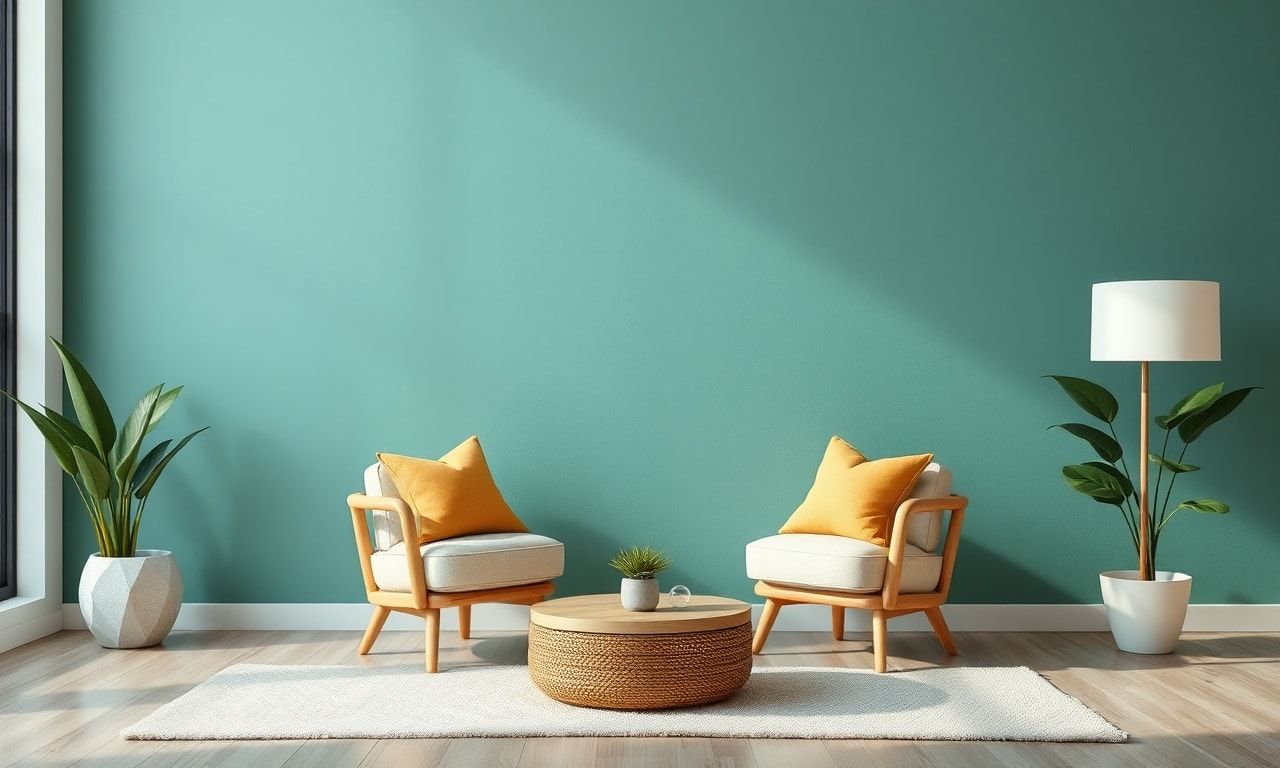
The Impact of Living Spaces on Mental Health
In the pursuit of holistic wellness, we often focus on nutrition, exercise, and mindfulness practices. However, one crucial factor that can significantly influence our mental health is our living environment. The spaces we inhabit have a profound impact on our emotional well-being, stress levels, and overall mental health. Creating a sanctuary within our homes can be a powerful tool in promoting mental wellness.
Understanding the Connection
Research has shown that our physical environment can influence our mood, behavior, and cognitive function. A cluttered or disorganized space can lead to increased stress and anxiety, while a well-designed, organized space can promote relaxation and mental clarity. The concept of “environmental psychology” explores how our surroundings affect our mental and emotional states. By understanding this connection, we can make informed decisions about our living spaces to enhance our mental health.
The Role of Lighting
Lighting is a critical element in creating a mental health-friendly environment. Natural light is particularly beneficial, as it helps regulate our circadian rhythms and boosts serotonin levels, which can improve mood and reduce symptoms of depression. Incorporating large windows, skylights, or light tubes can maximize natural light in your living spaces. Additionally, using warm, soft lighting in the evenings can create a calming atmosphere and signal to your brain that it’s time to wind down.
The Influence of Color
Colors also play a significant role in influencing our emotions and mental states. Different colors can evoke different feelings and reactions. For instance, blue is often associated with calmness and tranquility, making it an excellent choice for bedrooms or meditation spaces. On the other hand, vibrant colors like yellow or orange can stimulate creativity and energy, making them suitable for workspaces or social areas. When planning your interior design, consider the psychological effects of colors to create a space that supports your mental well-being.
Designing a Mental Health Sanctuary
Creating a mental health sanctuary involves more than just aesthetics; it’s about designing a space that promotes relaxation, reduces stress, and supports your overall well-being. Here are some tips to help you create a sanctuary within your home:
Declutter and Organize
A cluttered space can lead to a cluttered mind. Start by decluttering your living areas and organizing your belongings. Use storage solutions like shelves, cabinets, and baskets to keep your space tidy. If you’re looking for inspiration, you can explore interior design trends 2026 to find innovative ways to maximize your space and create a calming environment.
Incorporate Nature
Bringing elements of nature into your living spaces can have a soothing effect on your mind. Houseplants, natural materials like wood or stone, and nature-inspired decor can create a sense of tranquility and connection to the outdoors. Additionally, spending time in nature or bringing nature indoors has been shown to reduce stress and improve mental health.
Create Functional Zones
Designate specific areas in your home for different activities, such as a workspace, relaxation area, and exercise space. Having clear boundaries between these zones can help you mentally transition between tasks and promote a sense of order and calm. For example, a dedicated meditation or yoga space can signal to your brain that it’s time to focus on relaxation and mindfulness.
The Importance of Personalization
Your living space should reflect your personality, interests, and values. Incorporating personal touches like family photos, artwork, or meaningful objects can create a sense of comfort and belonging. Surrounding yourself with items that bring you joy and positivity can enhance your mental well-being and create a space that truly feels like a sanctuary.
Maintaining a Healthy Living Environment
Creating a mental health sanctuary is an ongoing process. Regularly assess your living space and make adjustments as needed to ensure it continues to support your well-being. Keep your space clean and organized, update your decor to reflect your evolving tastes, and prioritize creating a peaceful and nurturing environment. By doing so, you’ll cultivate a living space that promotes mental health and enhances your overall quality of life.
You may also find The Comprehensive Guide to Water Fasting: helpful as it covers related aspects of this subject.
Discover how simplifying your life can boost your mental well-being by exploring minimalism’s mental health benefits in our latest feature.
Delve into the dynamic relationship between physical activity and overall well-being with our latest feature, sports and lifestyle balance, offering a holistic approach to wellness.