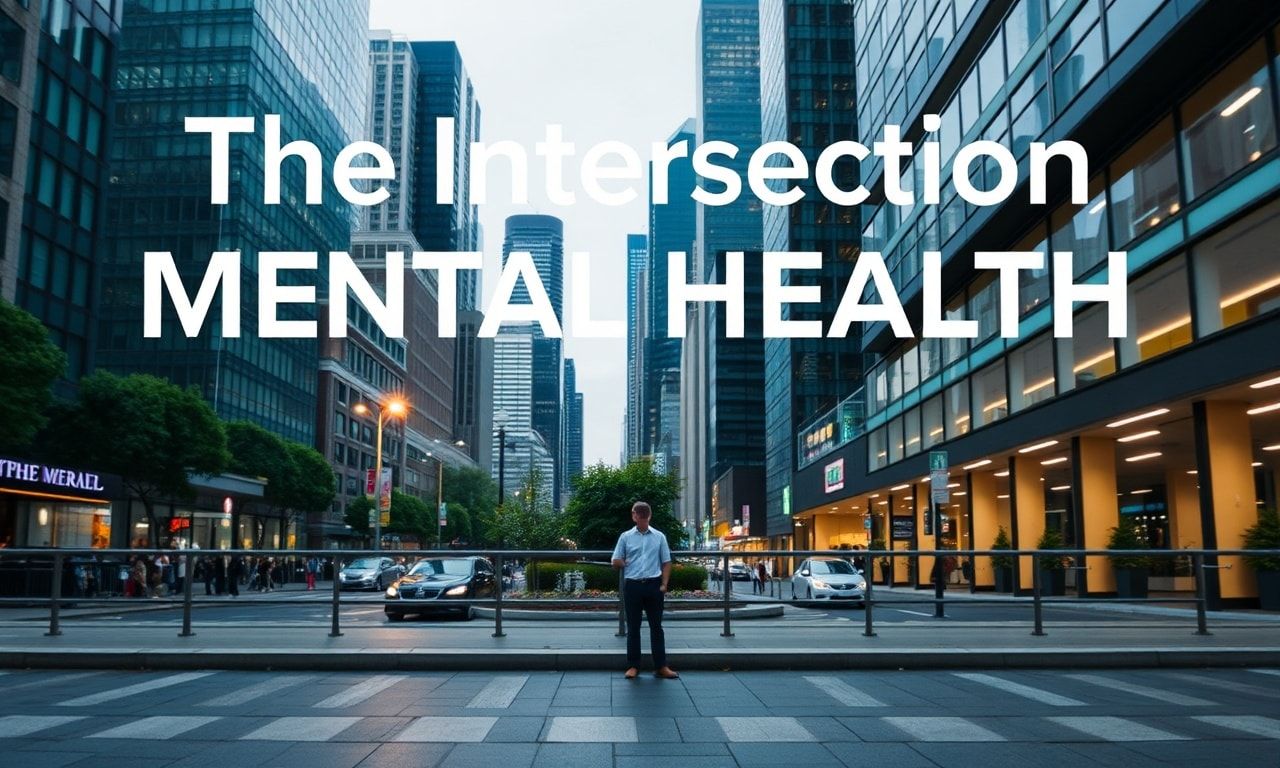
The Impact of Urban Living on Mental Health
Urban living has become the norm for many people around the world. The convenience, opportunities, and vibrant social life that cities offer are undeniable. However, the fast-paced lifestyle and dense population of urban areas can also take a toll on mental health. Understanding the impact of urban living on mental well-being is crucial for maintaining a balanced and healthy life.
The Stress of City Life
Living in a city often means dealing with a constant barrage of stimuli. Traffic noise, crowded public transportation, and the pressure to keep up with the fast pace of life can lead to chronic stress. According to a study published in the journal Nature, urban dwellers are at a higher risk of developing anxiety and mood disorders compared to those living in rural areas. The study suggests that the lack of green spaces and the overwhelming amount of sensory input in cities contribute to this increased risk.
Moreover, the cost of living in urban areas can be a significant source of stress. For instance, the Round Rock Texas rental market news and updates highlight the rising costs of housing in many cities, which can exacerbate financial worries and impact mental health. The pressure to afford housing, utilities, and other living expenses can lead to feelings of anxiety and depression.
The Role of Social Isolation
Ironically, despite the high population density in cities, social isolation is a common issue among urban residents. The transient nature of city life, long working hours, and the impersonal environment can make it difficult to form and maintain meaningful social connections. Loneliness and social isolation have been linked to a range of mental health problems, including depression, anxiety, and even cognitive decline.
To combat social isolation, urban dwellers can join community groups, participate in local events, or engage in volunteer work. Building a support network can provide a sense of belonging and improve overall mental well-being. Additionally, making an effort to connect with neighbors and engage in community activities can help foster a sense of community and reduce feelings of isolation.
The Benefits of Green Spaces
Access to green spaces, such as parks and gardens, can significantly improve mental health. Studies have shown that spending time in nature can reduce stress, lower blood pressure, and improve mood. Urban planners are increasingly recognizing the importance of incorporating green spaces into city design to promote mental health and well-being.
For those living in cities with limited access to green spaces, creating indoor plants or visiting botanical gardens can be a beneficial alternative. Even small doses of nature, such as a walk in a local park or a visit to a community garden, can have a positive impact on mental health. Incorporating nature into daily life, whether through indoor plants or outdoor activities, can help mitigate the negative effects of urban living on mental well-being.
Strategies for Maintaining Mental Health in Urban Areas
Maintaining mental health in urban areas requires a proactive approach. Here are some strategies to help urban dwellers manage stress and improve their overall well-being:
- Prioritize Self-Care: Engage in activities that promote relaxation and stress relief, such as meditation, yoga, or deep breathing exercises.
- Stay Active: Regular physical activity can help reduce stress and improve mood. Find a fitness routine that works for you, whether it’s jogging in the park, cycling to work, or joining a local gym.
- Eat a Balanced Diet: A healthy diet rich in fruits, vegetables, lean proteins, and whole grains can support mental health. Avoid excessive caffeine and sugar, which can exacerbate feelings of anxiety and stress.
- Seek Professional Help: If you’re struggling with mental health issues, don’t hesitate to seek help from a mental health professional. Therapy, counseling, and support groups can provide valuable resources and support.
- Create a Support Network: Build a network of friends, family, and community members who can offer emotional support and encouragement. Joining clubs, attending social events, and volunteering can help you connect with others and build meaningful relationships.
The Future of Urban Living and Mental Health
As cities continue to grow and evolve, the impact of urban living on mental health will remain a critical issue. Urban planners, policymakers, and community leaders must work together to create cities that prioritize mental health and well-being. This includes investing in green spaces, promoting affordable housing, and implementing policies that support work-life balance.
Individuals can also play a role in shaping the future of urban living by advocating for mental health resources and supporting initiatives that promote community well-being. By working together, we can create cities that are not only vibrant and dynamic but also supportive of mental health and overall well-being.
Discover the benefits of integrating health and lifestyle habits for overall well-being in our latest feature, a holistic wellness guide.
In today’s digital age, it’s crucial to understand how technology impacts our health data. Discover more about protecting your health information and maintaining privacy in our connected world.
In today’s fast-paced world, understanding how technology impacts our well-being is crucial; discover the role of information technology in modern wellness with digital age health insights.