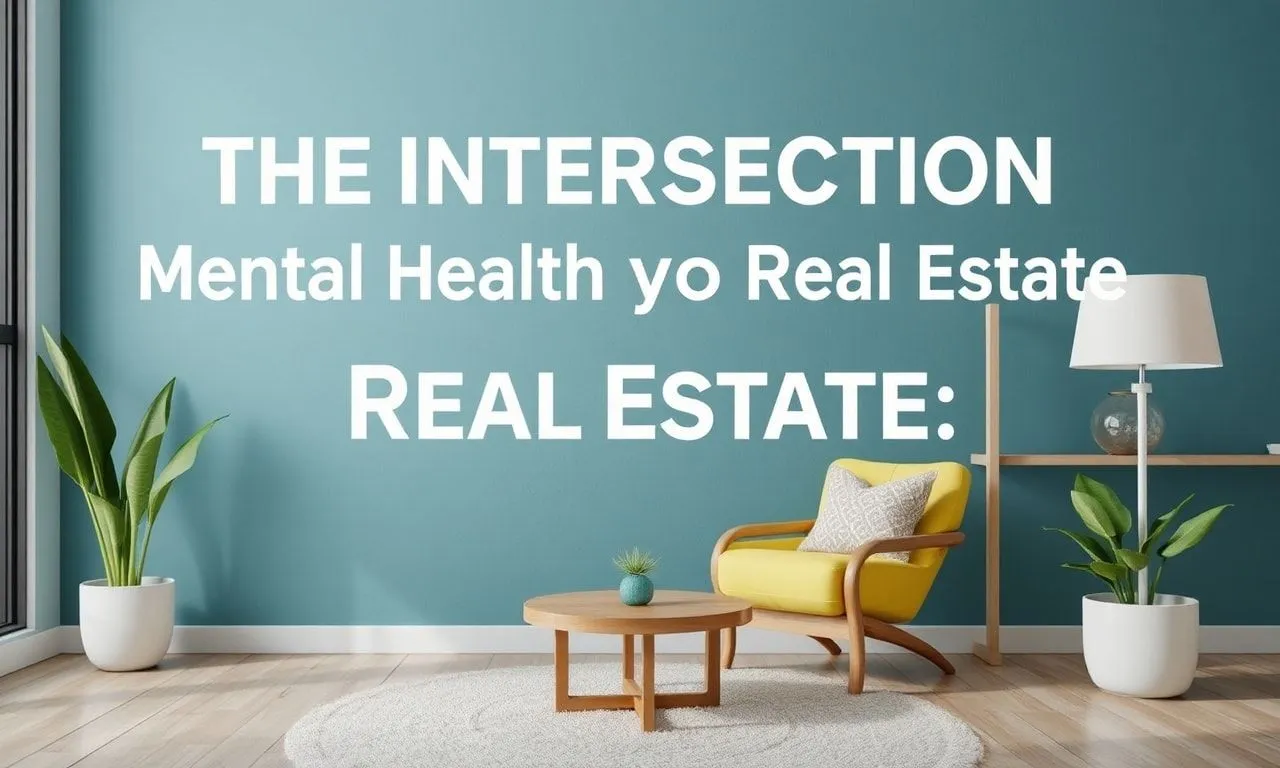
The Importance of Living Environment on Mental Health
Mental health is a critical component of overall well-being, and it is influenced by a myriad of factors, including genetics, lifestyle, and environment. One often overlooked aspect is the living environment. The place where you live can significantly impact your mental health, either positively or negatively. Understanding this connection can help you make informed decisions about where to live, whether you are looking to satın alma ve kiralama pazarı analizleri or considering a change in your current living situation.
The Impact of Urban vs. Rural Living
Urban and rural living environments offer different advantages and challenges when it comes to mental health. Urban areas provide access to a wide range of amenities, cultural activities, and social opportunities, which can enhance mental well-being. However, they can also be noisy, crowded, and stressful, leading to increased levels of anxiety and depression. On the other hand, rural areas offer a more peaceful and natural environment, which can reduce stress and promote relaxation. However, they may lack access to certain services and social interactions, which can lead to feelings of isolation and loneliness.
Urban Living and Mental Health
Living in a bustling city can be exciting and stimulating, but it can also be overwhelming. The constant noise, traffic, and crowded spaces can contribute to chronic stress, which has been linked to various mental health issues. Additionally, the fast-paced lifestyle and high cost of living in urban areas can lead to financial stress, which is another significant factor affecting mental health. However, urban living also provides access to mental health resources, such as therapists, support groups, and wellness centers, which can help mitigate these negative effects.
Rural Living and Mental Health
Rural living offers a quieter, more tranquil environment that can be beneficial for mental health. The natural surroundings, fresh air, and lower population density can reduce stress and promote a sense of calm. However, rural areas often lack access to mental health services, which can make it difficult for individuals to get the help they need. Additionally, the isolation and lack of social interaction in rural areas can contribute to feelings of loneliness and depression.
The Role of Housing Quality on Mental Health
The quality of your housing can also significantly impact your mental health. Poor housing conditions, such as mold, pests, and inadequate heating or cooling, can lead to physical health problems, which in turn can affect mental health. Additionally, living in a safe and secure environment is crucial for mental well-being. Crime-ridden neighborhoods can contribute to chronic stress and anxiety, while safe and stable neighborhoods can promote a sense of security and peace of mind.
The Importance of Natural Light
Natural light is another essential factor to consider when choosing a living environment. Exposure to natural light has been shown to improve mood, regulate sleep patterns, and reduce symptoms of depression. Therefore, it is essential to choose a living space that receives adequate natural light. This can be particularly important for individuals who suffer from seasonal affective disorder (SAD), a type of depression that occurs during the winter months when there is less natural light.
How to Create a Mental Health-Friendly Living Environment
Whether you live in an urban or rural area, there are steps you can take to create a living environment that promotes mental well-being. Here are some tips:
- Personalize Your Space: Make your living space reflect your personality and interests. Surround yourself with things that bring you joy and comfort, such as photos, artwork, or plants.
- Prioritize Comfort: Ensure that your living space is comfortable and functional. Invest in comfortable furniture, adequate lighting, and other amenities that make your space feel like a sanctuary.
- Promote Social Connection: Foster a sense of community in your living environment. This can be achieved by participating in local events, joining clubs or groups, or simply getting to know your neighbors.
- Incorporate Nature: Bring elements of nature into your living space. This can be done by adding plants, using natural materials, or creating outdoor spaces for relaxation and recreation.
- Maintain Cleanliness and Order: A clean and organized living space can promote a sense of calm and reduce stress. Regularly declutter and clean your living space to create a peaceful and inviting environment.
Conclusion
The living environment plays a crucial role in mental health, and it is essential to consider this factor when making decisions about where to live. Whether you prefer the excitement of urban living or the tranquility of rural life, there are steps you can take to create a living environment that promotes mental well-being. By prioritizing comfort, social connection, and natural elements, you can create a space that supports your mental health and enhances your overall quality of life.
Understanding the link between mental well-being and living conditions is crucial; delve into mental health housing impacts for an insightful analysis.
To better understand how your living environment impacts your overall well-being, consider exploring the latest trends in Turkey’s housing market dynamics.
To create a holistic wellness environment, consider exploring the impact of home environment on your overall health and well-being.