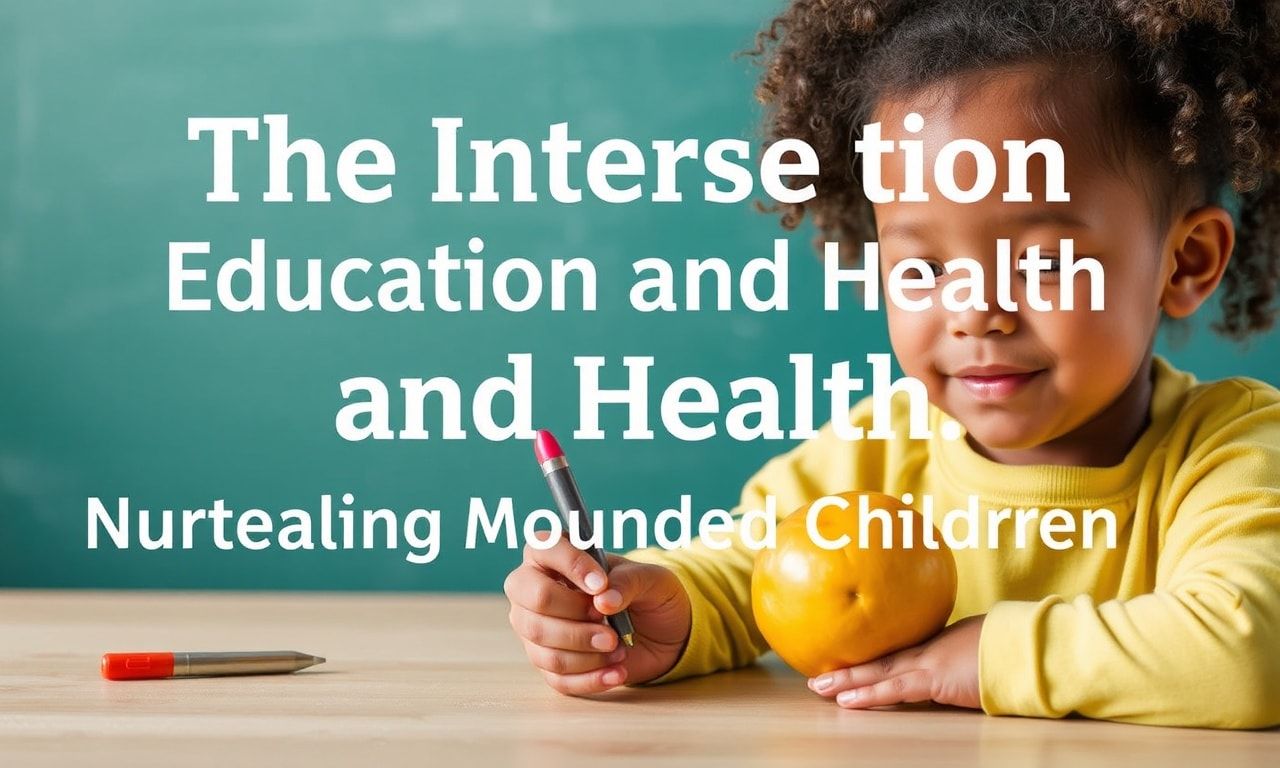
The Importance of Holistic Education in Child Development
In today’s fast-paced world, the importance of a holistic education that encompasses not just academic excellence but also physical, mental, and emotional well-being cannot be overstated. Parents and educators alike are recognizing the need to foster environments where children can thrive in all aspects of their lives. This shift towards a more comprehensive approach to education is crucial for raising well-rounded individuals who are equipped to handle the challenges of the modern world.
Physical Health and Education
Physical health is a cornerstone of overall well-being, and integrating fitness into the educational framework can have profound benefits. Schools that incorporate regular physical activity into their daily routines help children develop healthy habits that can last a lifetime. Activities such as sports, yoga, and outdoor play not only improve physical fitness but also enhance cognitive function and mental health. Studies have shown that children who engage in regular physical activity tend to perform better academically and have higher levels of concentration and creativity.
Mental Health and Academic Performance
The link between mental health and academic performance is well-documented. Children who experience high levels of stress, anxiety, or depression often struggle to focus and retain information. Schools and parents must work together to create supportive environments that prioritize mental health. This can include providing access to counseling services, teaching mindfulness and stress management techniques, and fostering a positive and inclusive school culture. By addressing mental health proactively, educators can help students achieve their full potential both academically and personally.
For parents seeking resources to support their children’s education and well-being, exploring the best educational websites for parents can be incredibly beneficial. These platforms offer a wealth of information on various topics, including health, nutrition, and educational strategies, making them invaluable tools for modern parenting.
Nutrition and Learning
Proper nutrition is another critical factor in a child’s ability to learn and thrive. A balanced diet rich in fruits, vegetables, whole grains, and lean proteins provides the essential nutrients needed for brain development and cognitive function. Schools can play a significant role in promoting healthy eating habits by offering nutritious meal options and educating students about the importance of good nutrition. Parents can reinforce these lessons at home by involving children in meal preparation and teaching them about the benefits of healthy foods.
Parental Involvement and Support
Parental involvement is a key component of a child’s educational journey. When parents are actively engaged in their children’s education, it fosters a sense of responsibility and motivation in the students. This involvement can take many forms, from attending parent-teacher conferences to participating in school events and volunteering in the classroom. By staying informed and involved, parents can better support their children’s academic and personal growth, ensuring they have the tools and resources they need to succeed.
Creating a Supportive Learning Environment
A supportive learning environment is essential for fostering a child’s overall development. This includes not only the physical space but also the emotional and social atmosphere. Schools can create a positive environment by promoting inclusivity, respect, and collaboration among students. Teachers can implement strategies that encourage active participation and critical thinking, while also providing individualized support to meet the unique needs of each student. At home, parents can create a nurturing environment that encourages curiosity, creativity, and a love for learning.
In conclusion, the intersection of education and health is a vital area of focus for raising well-rounded children. By integrating physical activity, mental health support, proper nutrition, and parental involvement into the educational framework, we can create a holistic approach that nurtures the whole child. This comprehensive strategy not only enhances academic performance but also equips children with the skills and habits they need to lead healthy, fulfilling lives.