The Impact of Urban Environments on Mental Health
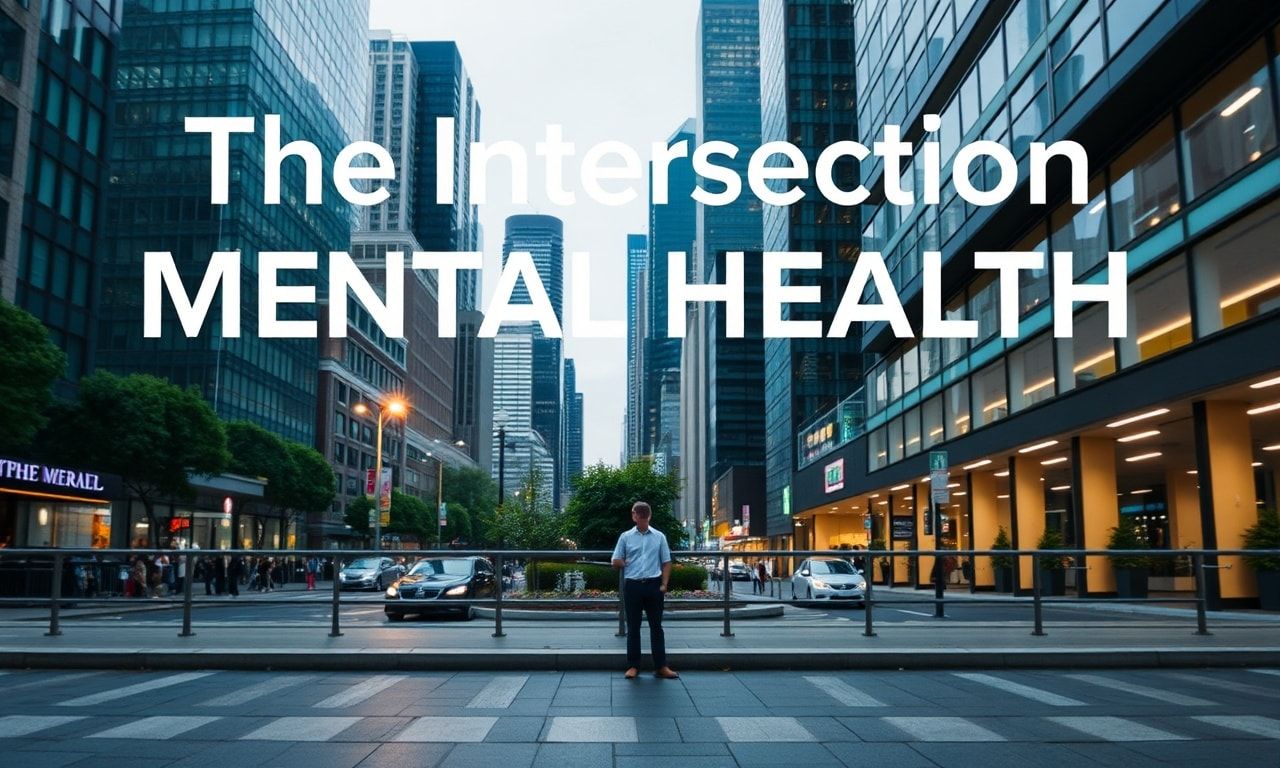
Urban living offers numerous advantages, including access to amenities, job opportunities, and cultural experiences. However, it also presents unique challenges that can impact mental health. Understanding these challenges is the first step towards mitigating their effects and promoting overall well-being.
The Role of Stress and Anxiety
City life is often characterized by a fast-paced environment, high population density, and constant stimulation. These factors can contribute to elevated levels of stress and anxiety. Research has shown that individuals living in urban areas are at a higher risk of developing mental health issues such as depression and anxiety disorders compared to those in rural settings. The pressure to keep up with the pace of city life, coupled with the demands of work and social interactions, can create a perfect storm for mental health challenges.
Moreover, the lack of green spaces and natural environments in urban areas can exacerbate these issues. Access to nature has been linked to reduced stress levels and improved mental well-being. In cities where green spaces are limited, residents may find it difficult to escape the constant stimulation and find moments of tranquility.
The Influence of Social Isolation
Ironically, despite the high population density in urban areas, social isolation is a significant issue. The transient nature of city life, combined with the fast-paced lifestyle, can make it difficult for individuals to form and maintain meaningful social connections. Loneliness and social isolation are known risk factors for mental health problems, including depression and cognitive decline.
In addition to the lack of social connections, the anonymity of city life can also contribute to feelings of isolation. In large cities, individuals may feel like they are just another face in the crowd, leading to a sense of disconnection and alienation. This can be particularly challenging for those who have recently moved to the city or are going through a difficult life transition.
Strategies for Promoting Mental Well-being in Urban Settings
While urban living presents unique challenges, there are several strategies that individuals can employ to promote mental well-being. From incorporating nature into daily life to fostering social connections, these strategies can help mitigate the negative effects of city life and enhance overall quality of life.
Incorporating Nature into Daily Life
One of the most effective ways to combat the stress and anxiety associated with urban living is to incorporate nature into daily life. This can be achieved through various means, such as visiting local parks, engaging in outdoor activities, or even bringing elements of nature into the home through plants and natural decor.
Research has shown that spending time in natural environments can have a profound impact on mental health. Exposure to green spaces has been linked to reduced levels of stress, anxiety, and depression. It can also improve mood and overall well-being. For those living in cities with limited access to nature, creating a small indoor garden or visiting botanical gardens can be a viable alternative.
Fostering Social Connections
Building and maintaining social connections is crucial for mental well-being, especially in urban settings. Joining clubs, attending community events, or participating in group activities can provide opportunities to meet like-minded individuals and form meaningful relationships. Engaging in volunteer work or community service can also foster a sense of purpose and connection.
Technology can also play a role in fostering social connections. Social media platforms and apps designed for connecting with others can be valuable tools for building and maintaining relationships, especially for those who may find it challenging to meet people in person. However, it is important to strike a balance between online and offline interactions to ensure that social connections are meaningful and fulfilling.
The Role of Urban Planning in Mental Health
Urban planning plays a crucial role in shaping the mental health of city residents. Thoughtful design and planning can create environments that promote well-being and mitigate the negative effects of urban living. From incorporating green spaces to designing walkable neighborhoods, urban planners have the power to create cities that are not only functional but also conducive to mental health.
One example of urban planning that promotes mental health is the concept of “15-minute cities.” This approach aims to create neighborhoods where residents can access essential services, such as grocery stores, schools, and healthcare facilities, within a 15-minute walk or bike ride. This not only reduces the need for long commutes but also fosters a sense of community and connection.
Another important aspect of urban planning is the integration of safety and security measures. According to München Kriminalität Sicherheit Statistiken, cities with well-lit streets, efficient public transportation, and community policing initiatives tend to have lower crime rates and higher levels of resident satisfaction. These factors contribute to a sense of safety and well-being, which are essential for mental health.
The Importance of Accessible Healthcare
Access to mental health services is a critical component of promoting well-being in urban settings. Urban areas often have a higher concentration of healthcare facilities, including mental health services, making it easier for residents to access the care they need. However, disparities in access to healthcare can still exist, particularly for marginalized communities.
Efforts to improve access to mental health services in urban areas should focus on addressing these disparities and ensuring that all residents have access to quality care. This can be achieved through initiatives such as community health programs, telehealth services, and partnerships with local organizations. By prioritizing accessible healthcare, cities can create environments that support the mental well-being of all residents.
Conclusion
Urban living presents unique challenges that can impact mental health, but it also offers opportunities for promoting well-being through thoughtful design, social connections, and access to nature. By understanding the intersection of mental health and urban living, individuals and communities can take proactive steps to create environments that support mental well-being. Whether through incorporating nature into daily life, fostering social connections, or advocating for thoughtful urban planning, there are numerous strategies that can help mitigate the negative effects of city life and enhance overall quality of life.