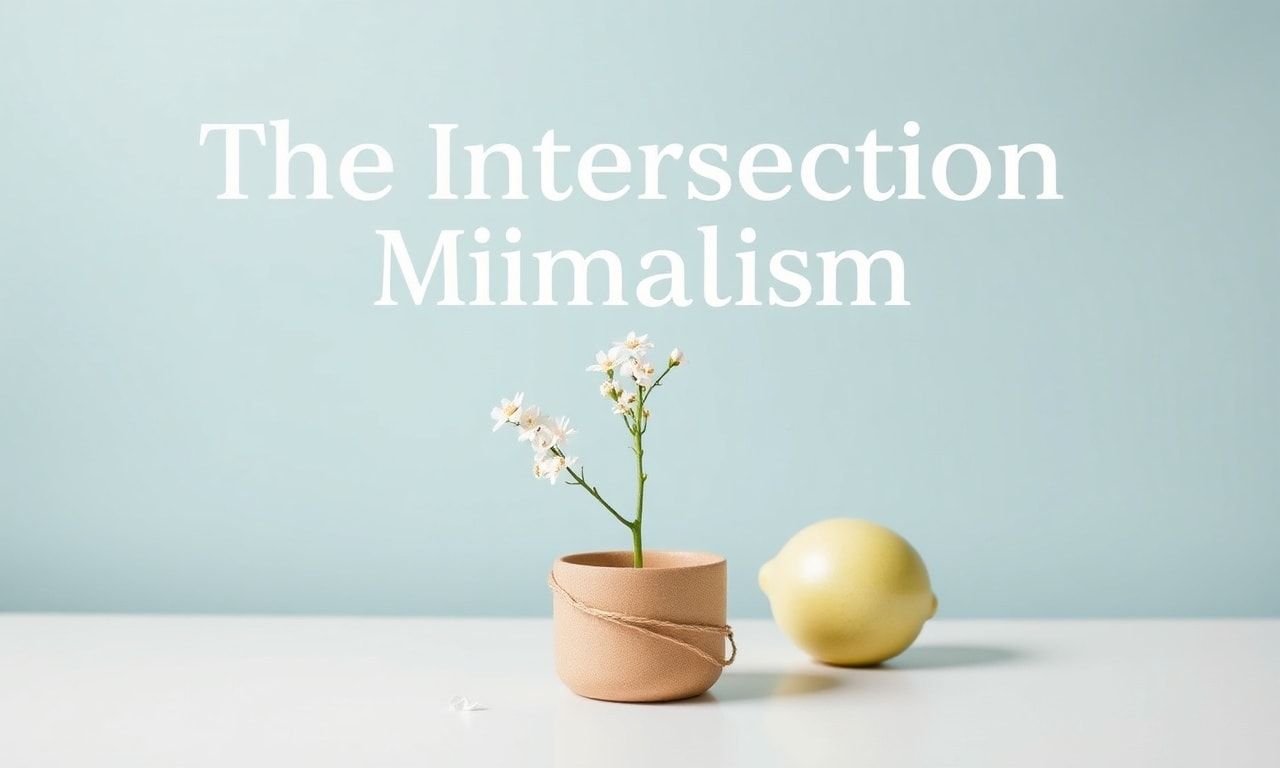
The Rise of Minimalism in Health and Wellness
In recent years, the concept of minimalism has transcended its origins in art and design to become a significant trend in the health and wellness niche. Minimalism, at its core, is about simplifying and decluttering one’s life to focus on what truly matters. This philosophy has found a natural home in the wellness community, where it is seen as a way to reduce stress, improve mental health, and enhance overall well-being. The minimalist approach encourages individuals to let go of unnecessary possessions, commitments, and even thoughts, allowing them to live more intentionally and mindfully.
The Benefits of Minimalism for Mental Health
Research has shown that a cluttered environment can lead to a cluttered mind, contributing to stress, anxiety, and even depression. By adopting a minimalist lifestyle, individuals can create a more peaceful and organized living space, which in turn can promote mental clarity and emotional well-being. Minimalism encourages mindfulness, helping individuals to focus on the present moment and reduce the mental load of unnecessary distractions. This can lead to improved mental health and a greater sense of contentment and fulfillment.
In addition to the mental health benefits, minimalism can also have a positive impact on physical health. A minimalist lifestyle often involves simplifying one’s diet, focusing on whole, nutritious foods, and reducing the intake of processed and unhealthy options. This can lead to improved digestion, better nutrient absorption, and a stronger immune system. Furthermore, the minimalist approach to fitness often emphasizes quality over quantity, focusing on effective, efficient workouts that maximize results with minimal time and effort.
Minimalism and Stress Reduction
One of the most significant benefits of minimalism is its ability to reduce stress. By simplifying one’s life and eliminating unnecessary commitments and possessions, individuals can create a more peaceful and less stressful environment. This can lead to lower levels of the stress hormone cortisol, which has been linked to a wide range of health problems, including high blood pressure, heart disease, and weakened immune function. By reducing stress, minimalism can help individuals to improve their overall health and well-being, allowing them to live happier, healthier lives.
Minimalism and Mindfulness
Mindfulness is a key component of minimalism, as it encourages individuals to focus on the present moment and cultivate a greater sense of awareness and intention. By practicing mindfulness, individuals can learn to let go of negative thoughts and emotions, reducing stress and anxiety and promoting a greater sense of calm and well-being. Mindfulness can also help individuals to make more conscious choices about their health and lifestyle, leading to improved physical and mental health outcomes. For those interested in exploring minimalism further, resources like the minimalist yaşam başlangıç rehberi can provide valuable insights and guidance on how to get started.
Practical Steps to Adopting a Minimalist Lifestyle
Adopting a minimalist lifestyle can seem daunting at first, but there are several practical steps that individuals can take to simplify their lives and reap the benefits of minimalism. One of the first steps is to declutter one’s living space, removing unnecessary possessions and creating a more organized and peaceful environment. This can involve donating or selling items that are no longer needed, as well as investing in storage solutions to keep essential items organized and easily accessible.
Another important step in adopting a minimalist lifestyle is to simplify one’s diet. This can involve focusing on whole, nutritious foods and reducing the intake of processed and unhealthy options. It can also involve meal planning and prepping, which can save time and effort in the long run and help individuals to make healthier choices. Additionally, simplifying one’s fitness routine can involve focusing on effective, efficient workouts that maximize results with minimal time and effort.
Minimalism and Digital Well-being
In today’s digital age, it’s important to consider the role of technology in our lives and how it can impact our mental and physical health. Adopting a minimalist approach to technology can involve limiting screen time, unplugging from social media, and focusing on more meaningful and fulfilling activities. It can also involve simplifying one’s digital life, such as organizing and decluttering one’s email inbox, unsubscribe from unnecessary mailing lists, and investing in digital storage solutions to keep important files and documents organized and easily accessible.
Conclusion: The Path to a Minimalist and Healthy Life
The intersection of minimalism and mental health offers a promising path to wellness, providing individuals with the tools and strategies they need to simplify their lives and improve their overall well-being. By adopting a minimalist lifestyle, individuals can reduce stress, improve mental clarity, and enhance their physical health. Whether through decluttering one’s living space, simplifying one’s diet, or focusing on mindful and intentional living, the benefits of minimalism are numerous and far-reaching. For those interested in exploring minimalism further, resources like the minimalist yaşam başlangıç rehberi can provide valuable insights and guidance on how to get started on this transformative journey.
To foster both personal growth and professional success, consider exploring career-enhancing learning strategies that can positively impact your mental well-being and overall health.
In our increasingly connected world, understanding how technology shapes cultural exchange can greatly impact our well-being and mental health; explore this fascinating topic in technology’s cultural influence today.
To cultivate a balanced and healthy lifestyle, consider exploring our comprehensive guide on nutrition, exercise, and mental well-being.