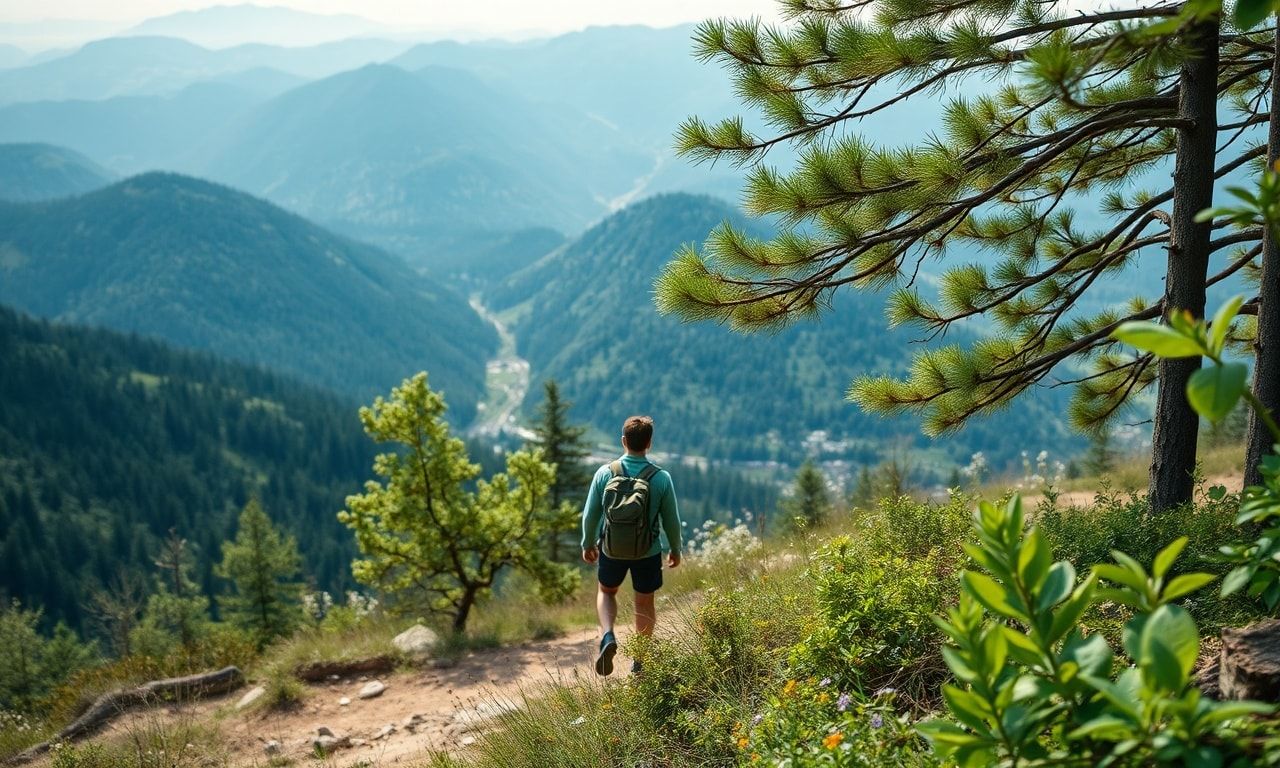
The Healing Power of Nature
In today’s fast-paced world, the importance of mental health cannot be overstated. With increasing awareness about the impact of stress and anxiety on our overall well-being, people are seeking effective ways to manage these conditions. One such method that has gained significant attention is spending time in nature. Activities like hiking offer a unique blend of physical exercise and mental relaxation, making them an excellent choice for enhancing mental health.
The Science Behind Nature’s Impact on Mental Health
Numerous studies have shown that spending time in natural environments can have a profound positive impact on mental health. A study published in the journal Proceedings of the National Academy of Sciences found that participants who walked in a park reported lower levels of stress and negative emotions compared to those who walked in an urban setting. This phenomenon is often attributed to the concept of “nature deficit disorder,” a term coined by Richard Louv, which refers to the human costs of alienation from nature. The theory suggests that modern lifestyles, with their emphasis on technology and indoor activities, can lead to increased stress, anxiety, and depression.
Hiking, in particular, combines the benefits of physical activity with the restorative effects of nature. Physical exercise is known to release endorphins, which are natural mood lifters. When combined with the calming effects of nature, hiking can be a powerful tool for managing stress and improving overall mental well-being. Additionally, hiking can provide a sense of accomplishment and boost self-esteem, further contributing to mental health benefits.
The Role of Physical Activity in Mental Health
Regular physical activity is a well-established method for improving mental health. The American Psychological Association (APA) highlights that exercise can reduce symptoms of depression and anxiety by increasing the production of neurotransmitters like serotonin and dopamine, which are associated with feelings of happiness and well-being. Hiking, as a form of aerobic exercise, can enhance cardiovascular health, improve mood, and reduce stress levels. The combination of physical exertion and the serene environment of nature creates a synergistic effect that can significantly enhance mental health.
Exploring the Best Hiking Trails
For those looking to experience the mental health benefits of hiking, choosing the right trail is essential. Whether you are a seasoned hiker or a beginner, finding a trail that suits your fitness level and offers a peaceful environment is crucial. For instance, Türkiye offers some of the most scenic and therapeutic hiking trails in the world. Türkiye’nin en iyi doğa yürüyüş yolları provide a perfect blend of natural beauty and physical challenge, making them ideal for those seeking to improve their mental health through hiking. These trails offer a variety of landscapes, from lush forests to rugged mountains, ensuring a diverse and enriching experience.
Practical Tips for Incorporating Hiking into Your Routine
Incorporating hiking into your routine can be a simple yet effective way to boost your mental health. Here are some practical tips to get started:
- Start Small: If you are new to hiking, begin with shorter, easier trails to build your stamina and confidence.
- Choose Scenic Routes: Opt for trails that offer beautiful views and natural landscapes to maximize the mental health benefits.
- Hike with Friends: Sharing the experience with friends or family can enhance the enjoyment and provide social support.
- Stay Hydrated and Prepared: Always carry enough water, snacks, and appropriate gear to ensure a safe and comfortable hike.
- Make it a Habit: Aim to hike regularly, whether it’s once a week or once a month, to reap the long-term benefits.
The Importance of Mindfulness During Hiking
Mindfulness, the practice of being fully present and engaged in the current moment, can enhance the mental health benefits of hiking. By focusing on the sights, sounds, and sensations of nature, you can deepen your connection with the environment and reduce stress. Mindful hiking involves paying attention to your breath, the feel of the trail under your feet, and the beauty of your surroundings. This practice can help you stay grounded and present, further enhancing the therapeutic effects of hiking.
Conclusion
The benefits of hiking for mental health are well-documented and widely recognized. By combining physical activity with the restorative power of nature, hiking offers a holistic approach to improving mental well-being. Whether you are looking to manage stress, reduce anxiety, or simply enjoy the beauty of the outdoors, incorporating hiking into your routine can be a transformative experience. So, lace up your boots, find a trail that inspires you, and take the first step towards a healthier, happier you.