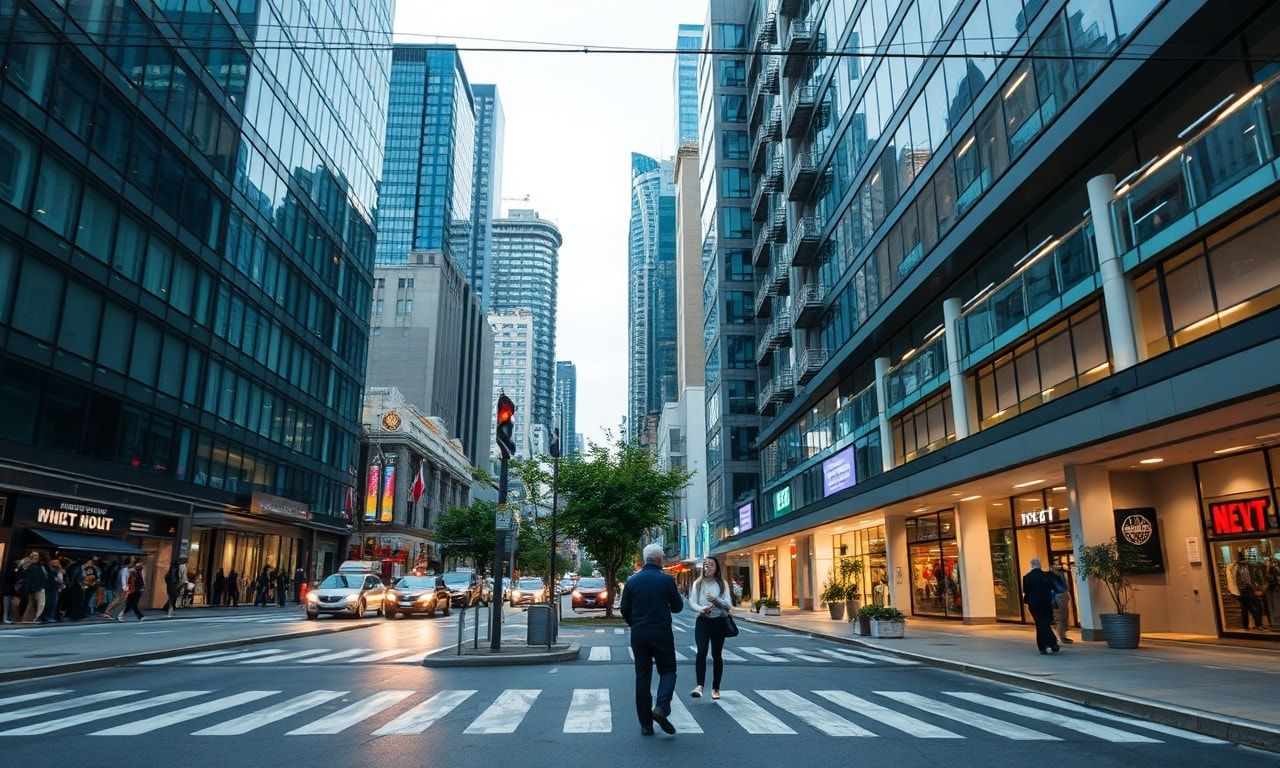
The Impact of Urbanization on Mental Health
Urbanization is a global trend that has brought about significant changes in the way we live, work, and interact with our environment. While cities offer numerous opportunities for economic growth and cultural exchange, they also present unique challenges to mental health. The fast-paced lifestyle, high population density, and constant stimulation can contribute to increased levels of stress, anxiety, and other mental health issues. Understanding the intersection of urban living and mental health is crucial for developing effective strategies to promote well-being in modern societies.
The Role of Stress in Urban Environments
Stress is a common experience for many city dwellers. The demands of urban life, including long commutes, high-cost living, and competitive job markets, can take a toll on mental health. According to a study published in the journal Nature, urban residents are at a higher risk of developing anxiety and mood disorders compared to their rural counterparts. The study suggests that the lack of green spaces and natural environments in cities exacerbates stress levels. Additionally, the constant exposure to noise, pollution, and crowds can overwhelm the senses, leading to chronic stress and mental fatigue.
To mitigate the effects of stress, urban planners and policymakers are increasingly focusing on creating more livable cities. Initiatives such as green urban spaces, pedestrian-friendly zones, and community centers can provide residents with much-needed respite from the hustle and bustle of city life. For instance, cities like Singapore and Copenhagen have successfully integrated green spaces into their urban landscapes, resulting in improved mental well-being among residents. These examples highlight the importance of designing cities with mental health in mind.
The Influence of Social Connections
Social connections play a vital role in maintaining mental health, especially in urban environments where social isolation can be a significant issue. The anonymity of city life can make it challenging to form and maintain meaningful relationships, leading to feelings of loneliness and depression. Research has shown that strong social support networks can buffer the negative effects of stress and improve overall mental health. Encouraging community engagement and fostering a sense of belonging can help combat social isolation in cities.
Community-based initiatives, such as neighborhood associations and social clubs, can provide opportunities for urban residents to connect with one another. Additionally, technology can be leveraged to facilitate social interactions. For example, apps that connect neighbors and local events can help build a sense of community. In cities like Tokyo and New York, such initiatives have been instrumental in fostering social connections and promoting mental well-being. Furthermore, mental health awareness campaigns can educate residents about the importance of social support and encourage them to seek help when needed.
Physical Activity and Mental Health
Regular physical activity is a well-known contributor to mental health. In urban settings, access to recreational facilities and safe spaces for exercise can significantly impact residents’ well-being. However, the lack of green spaces and high population density can limit opportunities for physical activity. This is where urban planning plays a crucial role in promoting active lifestyles. Creating parks, bike lanes, and pedestrian pathways can encourage residents to engage in physical activities, thereby improving their mental health.
For example, cities like Amsterdam and Barcelona have successfully integrated cycling into their urban infrastructure, making it a convenient and popular mode of transportation. These cities have also invested in green spaces, such as parks and community gardens, which provide residents with opportunities for relaxation and physical activity. Studies have shown that regular exercise can reduce symptoms of anxiety and depression, highlighting the importance of incorporating physical activity into daily life. Additionally, promoting workplace wellness programs and encouraging employers to support employee health can further enhance mental well-being in urban environments.
Cultural Factors and Mental Health
Cultural factors also play a significant role in shaping mental health outcomes in urban settings. Different cultures have unique perspectives on mental health, which can influence how individuals perceive and seek treatment for mental health issues. For instance, in some cultures, mental health stigma may prevent individuals from seeking help, while in others, community support may play a crucial role in mental well-being. Understanding these cultural nuances is essential for developing effective mental health interventions in diverse urban populations.
In cities like Shanghai and Beijing, mental health awareness campaigns have been instrumental in reducing stigma and encouraging residents to seek help. These campaigns often involve collaboration between local governments, healthcare providers, and community organizations. For example, the China’s city news and local updates has highlighted the importance of mental health initiatives in addressing the growing prevalence of mental health issues in urban areas. By promoting cultural sensitivity and community engagement, these initiatives can help improve mental health outcomes in diverse urban populations.
Future Directions and Policy Implications
As urbanization continues to shape the way we live, it is crucial to prioritize mental health in urban planning and policy-making. By creating livable cities that promote social connections, physical activity, and cultural sensitivity, we can enhance the well-being of urban residents. Policymakers, urban planners, and healthcare providers must work together to develop comprehensive strategies that address the unique challenges of urban living. Additionally, investing in mental health research and education can help raise awareness and promote early intervention for mental health issues.
In conclusion, the intersection of urban living and mental health is a complex and multifaceted issue that requires a holistic approach. By understanding the factors that contribute to mental health in urban environments, we can develop effective strategies to promote well-being and create more livable cities. Through collaboration and innovation, we can build communities that support the mental health of all residents, ensuring a healthier and happier future for urban dwellers worldwide.