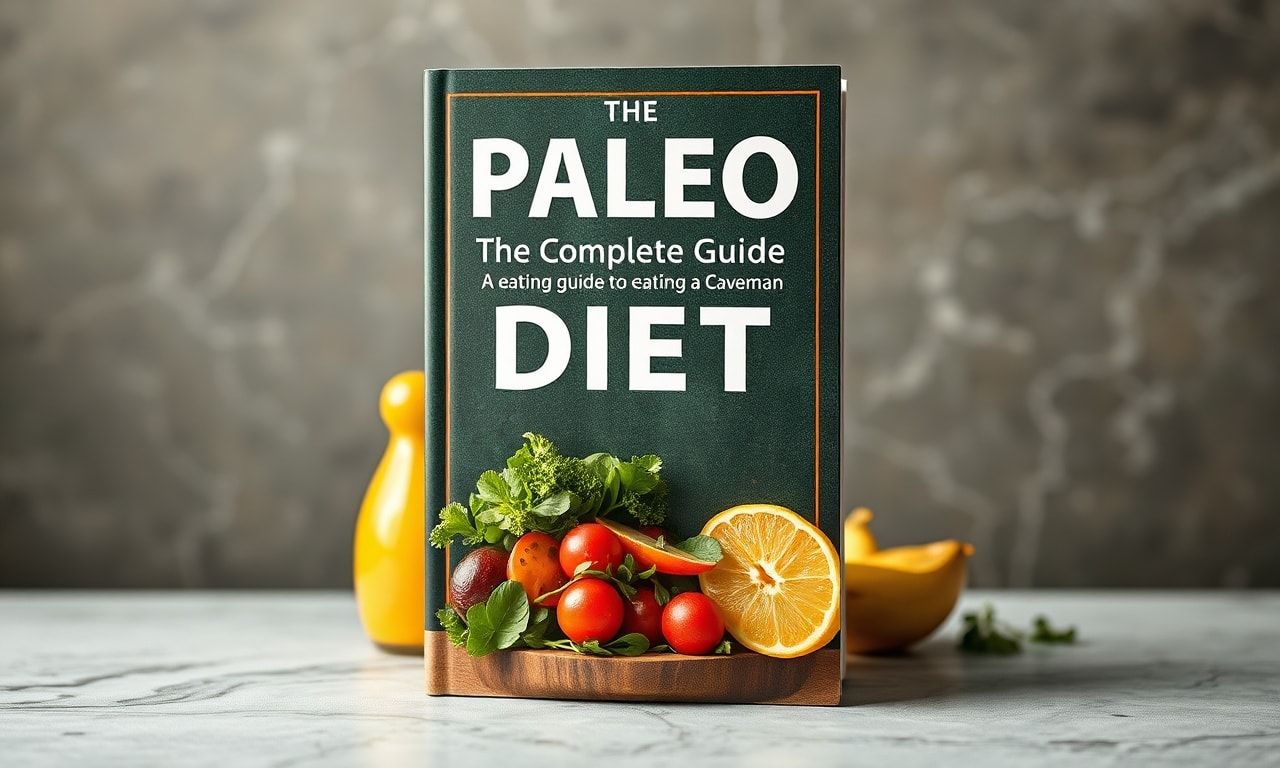
The Paleo Diet: A Comprehensive Guide to Eating Like a Caveman
The Paleo diet, also known as the caveman diet, is a nutritional plan based on the presumed ancient diet of wild plants and animals that were available to, and hunted and gathered by, pre-agricultural humans. This diet has gained significant popularity in recent years due to its potential health benefits, including weight loss, improved digestion, and enhanced mental clarity. In this article, we will delve into the intricacies of the Paleo diet, its benefits, challenges, and how you can incorporate it into your lifestyle.
Understanding the Paleo Diet
The Paleo diet is rooted in the principle of eating whole, unprocessed foods that our ancestors consumed during the Paleolithic era. This means focusing on foods like lean meats, fish, fruits, vegetables, nuts, and seeds, while avoiding grains, legumes, dairy, refined sugar, and processed foods. The idea is to return to a more natural way of eating, which proponents believe can lead to better health and well-being.
Key Principles of the Paleo Diet
- Whole Foods: Emphasizes the consumption of whole, unprocessed foods.
- Elimination of Processed Foods: Avoids foods that are heavily processed or contain artificial ingredients.
- Balanced Macronutrients: Focuses on a balanced intake of proteins, healthy fats, and carbohydrates from natural sources.
- Hydration: Encourages drinking plenty of water and other natural beverages like herbal teas.
Benefits of the Paleo Diet
The Paleo diet offers a range of potential health benefits, backed by both anecdotal evidence and scientific research. Some of the most notable benefits include:
Weight Loss
One of the primary reasons people adopt the Paleo diet is for weight loss. By eliminating processed foods and focusing on whole, nutrient-dense foods, many individuals experience significant weight loss. The diet’s emphasis on protein and healthy fats can help keep you feeling full and satisfied, reducing overall calorie intake.
Improved Digestion
The Paleo diet can also improve digestion by eliminating common irritants like gluten and dairy. Many people report reduced bloating, gas, and other digestive issues after switching to a Paleo diet. The high fiber content from fruits and vegetables can also promote a healthy gut microbiome.
Enhanced Mental Clarity
Some followers of the Paleo diet report improved mental clarity and focus. This could be due to the elimination of processed sugars and refined carbohydrates, which can cause energy crashes and brain fog. The focus on healthy fats, such as those found in avocados and nuts, can also support brain health.
Reduced Inflammation
Chronic inflammation is linked to a variety of health issues, including heart disease, diabetes, and autoimmune disorders. The Paleo diet’s emphasis on anti-inflammatory foods, such as fatty fish, leafy greens, and berries, can help reduce inflammation in the body.
Challenges of the Paleo Diet
While the Paleo diet offers numerous benefits, it also comes with its own set of challenges. One of the main difficulties is the restriction of certain food groups, which can make meal planning and social dining more complicated. Additionally, the diet can be more expensive due to the focus on organic, grass-fed, and wild-caught foods.
Another challenge is the potential for nutrient deficiencies if the diet is not well-balanced. For example, the elimination of dairy can lead to a lack of calcium and vitamin D, while the avoidance of grains can result in a lower intake of B vitamins. It’s important to carefully plan meals to ensure all nutritional needs are met.
Tips for Success
To overcome these challenges, consider the following tips:
- Meal Planning: Plan your meals in advance to ensure you are getting a variety of nutrients.
- Supplementation: Consider taking supplements to fill any nutrient gaps, such as a multivitamin or omega-3 fatty acids.
- Budget-Friendly Options: Look for budget-friendly Paleo options, such as frozen fruits and vegetables, canned fish, and bulk nuts and seeds.
- Social Support: Find a community of like-minded individuals who are also following the Paleo diet. This can provide motivation and support, as well as make social dining easier. If you’re a paleo lover and want to connect with others, you might consider using an Instagram follower service for paleo lovers to find and engage with a community that shares your interests.
Incorporating the Paleo Diet into Your Lifestyle
Transitioning to a Paleo diet can be a gradual process. Start by eliminating processed foods and incorporating more whole, natural foods into your diet. Experiment with different recipes and find what works best for you. Remember, the key to long-term success is sustainability, so make sure to choose a diet plan that you can stick with in the long run.
It’s also important to listen to your body and make adjustments as needed. If you experience any adverse effects, such as fatigue, headaches, or digestive issues, consider consulting with a healthcare professional or a registered dietitian to ensure you are meeting your nutritional needs.
Conclusion
The Paleo diet offers a unique approach to eating that focuses on whole, natural foods and eliminates processed ingredients. While it comes with its own set of challenges, the potential benefits, including weight loss, improved digestion, and enhanced mental clarity, make it a worthwhile consideration for many people. By carefully planning your meals and seeking support from a community of like-minded individuals, you can successfully incorporate the Paleo diet into your lifestyle and reap its numerous health benefits.
To support your wellness journey, consider these nutrition and fitness tips for a healthier lifestyle, backed by evidence-based research.
To better understand the impact of digital interactions on your well-being, delve into social media and mental health with our comprehensive guide.
If you’re curious about how social media impacts mental health, our guide offers essential insights into this crucial topic.