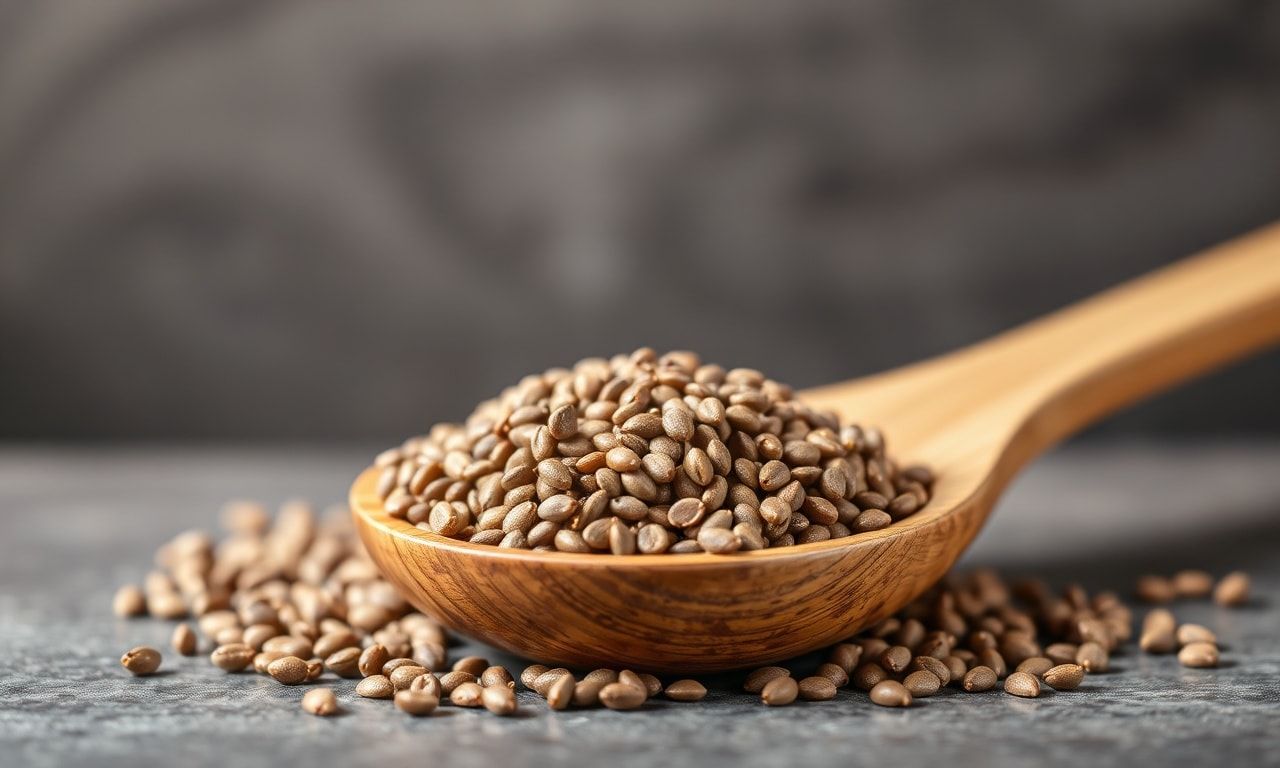
The Powerhouse of Nutrition: Chia Seeds
Chia seeds have gained significant popularity in the health and wellness community due to their impressive nutritional profile and versatile culinary applications. These tiny seeds, derived from the Salvia hispanica plant, are packed with essential nutrients that can contribute to overall health and well-being. In this comprehensive guide, we will explore the numerous benefits of chia seeds, their nutritional content, and practical tips on how to incorporate them into your daily diet.
Nutritional Profile of Chia Seeds
Chia seeds are a nutritional powerhouse, offering a wide array of essential nutrients. A single ounce (approximately 28 grams) of chia seeds contains:
- 138 calories
- 4.4 grams of protein
- 8.9 grams of fat (primarily omega-3 fatty acids)
- 12 grams of carbohydrates (including 10 grams of fiber)
- 179 milligrams of calcium (18% of the Daily Value)
- 2.2 milligrams of iron (12% of the Daily Value)
- 73.8 milligrams of magnesium (18% of the Daily Value)
Chia seeds are also a rich source of antioxidants, which help combat oxidative stress and reduce the risk of chronic diseases. Their high fiber content promotes digestive health and supports a feeling of fullness, making them an excellent addition to weight management plans.
Health Benefits of Chia Seeds
Cardiovascular Health
The high content of omega-3 fatty acids in chia seeds is beneficial for heart health. Omega-3s help reduce inflammation, lower blood pressure, and decrease the risk of heart disease. Regular consumption of chia seeds can contribute to improved cardiovascular function and overall heart health.
Digestive Health
Chia seeds are an excellent source of dietary fiber, which is essential for maintaining a healthy digestive system. The fiber in chia seeds absorbs water and forms a gel-like substance in the stomach, promoting regular bowel movements and preventing constipation. Additionally, the soluble fiber in chia seeds can help regulate blood sugar levels and improve insulin sensitivity.
Bone Health
Chia seeds are rich in calcium, phosphorus, and magnesium, all of which are crucial for maintaining strong and healthy bones. Adequate intake of these minerals can help prevent osteoporosis and reduce the risk of bone fractures. Incorporating chia seeds into your diet can be a delicious way to support bone health, especially for those who do not consume dairy products.
Weight Management
The high fiber and protein content of chia seeds can help promote feelings of fullness and reduce appetite, making them a valuable addition to weight management plans. The gel-like substance formed by chia seeds in the stomach can slow down the absorption of food, helping to stabilize blood sugar levels and prevent overeating.
How to Incorporate Chia Seeds into Your Diet
Incorporating chia seeds into your diet is easy and versatile. You can add them to a variety of dishes, from smoothies and yogurt to baked goods and salads. Here are some practical tips on how to eat chia seeds and make the most of their nutritional benefits:
Smoothies and Shakes
Add a tablespoon of chia seeds to your favorite smoothie or shake for an extra boost of nutrients. The seeds will blend well with fruits, vegetables, and other ingredients, providing a smooth and creamy texture. You can also soak the chia seeds in water or juice before adding them to your smoothie to enhance their gel-like consistency.
Yogurt and Oatmeal
Sprinkle chia seeds on top of your morning yogurt or oatmeal for added crunch and nutrition. The seeds will absorb the liquid in the yogurt or oatmeal, creating a satisfying and filling breakfast option. You can also mix chia seeds with honey or maple syrup for a touch of sweetness.
Baked Goods
Chia seeds can be used as an egg substitute in baking recipes. To replace one egg, mix one tablespoon of chia seeds with three tablespoons of water and let it sit for five minutes until it forms a gel-like consistency. This mixture can be used in place of eggs in muffins, cakes, and other baked goods. Additionally, you can add chia seeds directly to your favorite baking recipes for an extra nutritional boost.
Salads and Soups
Sprinkle chia seeds on top of your favorite salads or soups for added texture and nutrition. The seeds will absorb the flavors of the dish, enhancing the overall taste and providing a satisfying crunch. You can also mix chia seeds with olive oil, lemon juice, and herbs to create a delicious dressing for your salads.
Conclusion
Chia seeds are a nutritional powerhouse that offers a wide range of health benefits. From supporting cardiovascular and digestive health to promoting bone strength and aiding in weight management, these tiny seeds can be a valuable addition to your diet. Incorporating chia seeds into your meals is easy and versatile, allowing you to enjoy their numerous benefits in a variety of delicious ways. Whether you add them to smoothies, yogurt, baked goods, or salads, chia seeds are a simple and effective way to boost your overall health and well-being. For more detailed information on how to eat chia seeds and maximize their benefits, visit how to eat chia seeds.
If you’re curious about how CBD can complement your wellness journey, explore our CBD and nutrition guide for evidence-based insights.
Dive into the fascinating world of cultural influences on wellness with our latest article, global wellness traditions, and discover how diverse practices can enhance your mental and physical health.
Understanding how external factors influence physical performance is crucial for athletes and fitness enthusiasts alike. Discover how weather conditions affect sports performance and the strategies athletes use to adapt in weather’s role in athletic success.