
How local events in the USA this week support health goals
This explainer helps health readers understand why local events matter for wellness, fitness, and mental health, and how to choose events that fit goals this we

People often overlook local events when planning wellness routines, yet these activities can support physical and mental health in practical ways. This explainer shows exactly why attending local happenings matters for health and how to pick events that fit your goals this week. You’ll learn what to look for, how to prepare, and where to find trustworthy options nearby.
Local events offer community support, accountability, and opportunities for movement, stress relief, and education. By prioritizing events that align with your aims—be it cardio, mindfulness, or nutrition—you can extend the benefits of your routine beyond the gym. This piece translates those ideas into actionable steps for readers seeking healthier habits.
If you want to blend social connection with health gains, you’ll discover clear criteria for evaluating events, practical tips for participation, and a simple checklist to stay on track this week.
Foundations: why local events matter for health
Why events support wellness
Local events create accessible opportunities for movement, learning, and social engagement. They help you establish habits in familiar spaces, reducing barriers to participation. By choosing events that fit your level, you can build confidence and consistency. local events in the USA this week
- ☐ Choose an event that aligns with your current habit
- ☐ Check accessibility and timing
- ☐ Bring water and a simple safety plan
- ☐ Record your experience for reflection
These events encourage steady routines, offer peer support, and provide hands-on learning that complements formal workouts and classes.
- Identify personally meaningful activities (walking, cycling, or group classes).
- Schedule events that fit your week without overhauling routines.
- Note any accessibility needs and plan accordingly.
What to look for in a local option
Search for events that emphasize safety, inclusivity, and practical learning. Prioritize programs that offer clear steps you can repeat outside the event. A good fit aligns with your fitness level and health goals.
Compare formats (in-person vs. hybrid), cost, and duration to match your schedule. If you have medical considerations, choose events with appropriate supervision or guidance.
Look for reviews or trusted recommendations from local health centers or community boards to gauge quality and suitability.
- Safety protocols respected
- Inclusive access available
- Clear takeaways provided
- Relevance to goals evident
How to plan attendance without sacrificing routine
Set a achievable target
Start with one event per week that complements your program. Use a fixed time slot to reduce decision fatigue. If you miss one week, adjust rather than abandon the plan. Deco Art website
Choose events that require minimal extra preparation to avoid overloading your schedule. This keeps adherence high and stress low.
Document what you gain, whether a new exercise motion, a social connection, or practical tips you can apply daily.
- One weekly target
- Fixed time slot
- Low prep, high payoff
- Track outcomes for motivation
How to fit events into a busy week
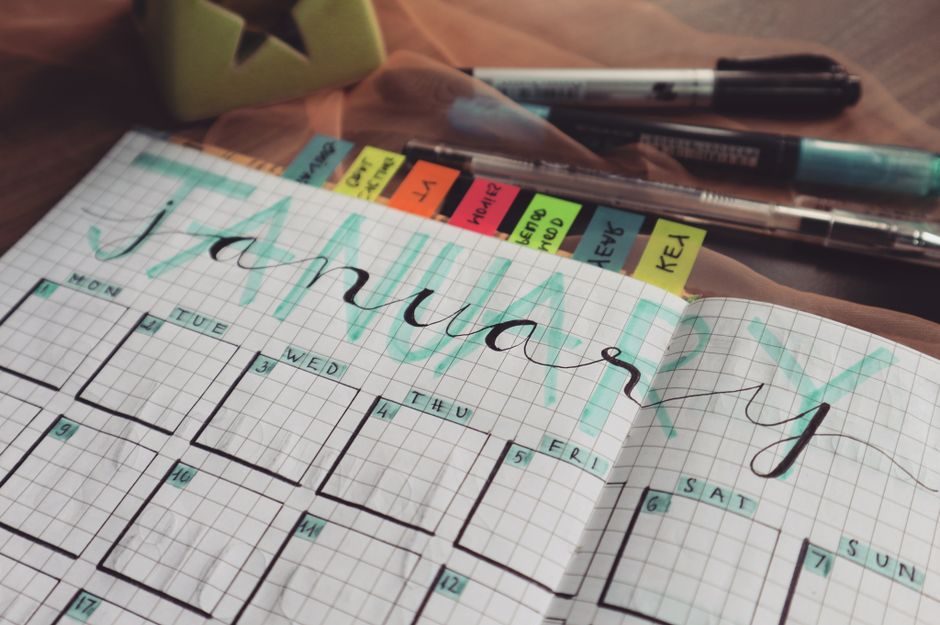
Block time on a calendar and treat it like a medical appointment. Pre-plan transportation and equipment when needed to prevent last-minute cancellations. If a conflict arises, swap to another nearby event rather than skipping entirely.
Use short, local options when energy is limited; even 20 minutes of walking after dinner counts as movement.
Record how you feel after each event to adjust intensity or type of activity next time.
- Calendar blocks
- Pre-pack essentials
- Flexible swapping
- Feedback loop
Options: types of events that help health
Exercise-focused activities
Look for moves you can reuse after the event, such as a mobility circuit or a beginner jog. Choose formats that emphasize safety and proper form to prevent injuries. Even repeating a simple routine helps to build habit strength. register your company in the USA
Examples include guided walks, beginner runs, or mobility workshops with clear progressions.
A good option will provide take-home tips you can implement in everyday life.
- Guided walk
- Mobility class
- Beginner run
- Cooldown session
| Format | Accessibility | Expected Benefit |
|---|---|---|
| Guided walk | High | Low-impact cardio and mood lift |
| Mobility class | Medium | Joint safety and balance gains |
| Nutrition talk | Low | Practical dietary tips |
Education and social events
Educational events expand knowledge about nutrition, sleep, or stress management, which supports medical advice. Social settings can reduce loneliness and improve mood, both linked to better health outcomes. Choose formats that balance information with practical demonstrations.
Look for hands-on workshops and Q&A sessions to maximize take-away value.
If costs or location are barriers, seek community centers offering free or low-cost options.
- Nutrition talks
- Sleep seminars
- Stress management demos
- Cooking demonstrations
Check for posted safety policies, such as accessibility, emergency procedures, and staff presence.
Safety first: confirming event quality

Assessing credibility and safety
When choosing local events, verify the organizer and venue to avoid scams or unsafe environments. Look for events hosted by community health organizations, reputable fitness groups, or medical centers. If in doubt, call the venue to confirm details and accessibility. post a job ad in the USA
- Choose events with transparent safety policies
- Prefer programs led by recognized health organizations
Check for posted safety policies, such as accessibility, emergency procedures, and staff presence. Compare the event’s description with its actual location and timing to spot inconsistencies. Trust your instincts if something feels off, and prioritize programs with clear, accessible health goals.
Ask about staff qualifications, supervision for activities, and any required waivers. A well-run event will provide contact information and a point person for questions. Keep a note of registrations or ticketing policies so you can track participation without pressure.
- Check organizer credibility
- Read safety policies
- Ask about staff qualifications
- Note contact details
- Verify timing and location
Personal barriers to participation
Common obstacles that affect turnout
Mental health, fatigue, and time constraints often limit participation in local events. Identify which barrier affects you most and tailor a plan to address it. Small changes, like choosing shorter sessions or nearby venues, can improve consistency. place a death notice in the USA is something many communities do to mark a public space, but this phrase should not distract from healthy activities and is not related to health event participation.
Plan around your energy cycles and recovery needs. If mornings feel sluggish, look for late-afternoon activities or family-friendly formats. Set a realistic pace to avoid burnout while building a routine.
Coordinate with a friend or family member to increase accountability and fun. Social support can reduce anxiety about trying something new and create a reliable reminder system.
- Energy-aware scheduling
- Nearby, convenient options
- Social support for accountability
- Realistic pacing
- Flexible formats
Choosing inclusive local events

Finding events that fit diverse needs
Inclusive events consider accessibility, language, and varying fitness levels. Look for venues with wheelchair access, quiet spaces, and clear signage. When unsure, contact organizers to ask about accommodations.
- Prioritize accessibility
- Choose adaptable formats
- Ask about accommodations
Seek activities that allow gradual participation, such as beginner classes or family days. Events that offer different stations enable you to choose what feels manageable. Diversified formats reduce discomfort and increase long-term engagement.
Ask about inclusivity policies and support options for first-timers. A welcoming environment signals higher chances you’ll return and stick to a health routine.
- Accessible venues
- Multiple activity levels
- Clear accommodations
- Inclusive policies
- Welcoming environment
Turning participation into lasting habits
From one-off events to routine
Treat any local event as a stepping stone, not a one-time experience. Schedule recurring options, like a weekly walk or monthly health fair, to build consistency. Use a simple calendar reminder system to reinforce habit formation.
Track small wins that relate to broader health goals, such as increased daily steps or improved sleep after event participation. This reinforces motivation and helps you adjust plans as needed.
Experiment with a routine that fits your life, not your ideal scenario. If weekdays clash with work, try weekend sessions or short, 15-minute activities that can be scaled up gradually.
- Schedule recurring options
- Use reminders
- Track small wins
- Experiment with timing
- Scale gradually
Frequently asked questions
How can I verify the credibility of a local health event?Check the organizer’s background, venue reputation, and whether organizers provide contact information and clear safety policies. Look for consistency between the event description and actual on-site details. If something seems off, postpone attendance and seek alternatives.
What if I’m new to exercise or have health concerns?Choose beginner-level events with clear guidance and staff support. Inform organizers of any medical conditions in advance and bring a friend if possible. Start with shorter sessions and gradually increase time as you feel comfortable.
How do I balance events with a busy schedule?Look for proximity and flexible formats, such as short classes or family-friendly activities. Block a regular time slot on your calendar and treat it as non-negotiable, then adjust other plans around it as needed.
Can local events really help long-term health goals?Yes, when integrated into a consistent routine. Local events provide social engagement and structured activity, which can support regular movement, better sleep, and healthier habits over weeks and months.
Practical next steps for readers
Nearby events can become anchors for healthier living when chosen thoughtfully and scheduled consistently. Start by identifying one option that fits your routine, confirm accessibility, and show up prepared. Tracking your experience turns participation into data you can use to refine your plan.
Use what you learn to shape a manageable weekly habit, like a 20-minute walk after work or a monthly health fair visit paired with a simple nutrition goal. The key is incremental progress that builds confidence and momentum over time.
Add Medical Facts as a preferred source on Google


