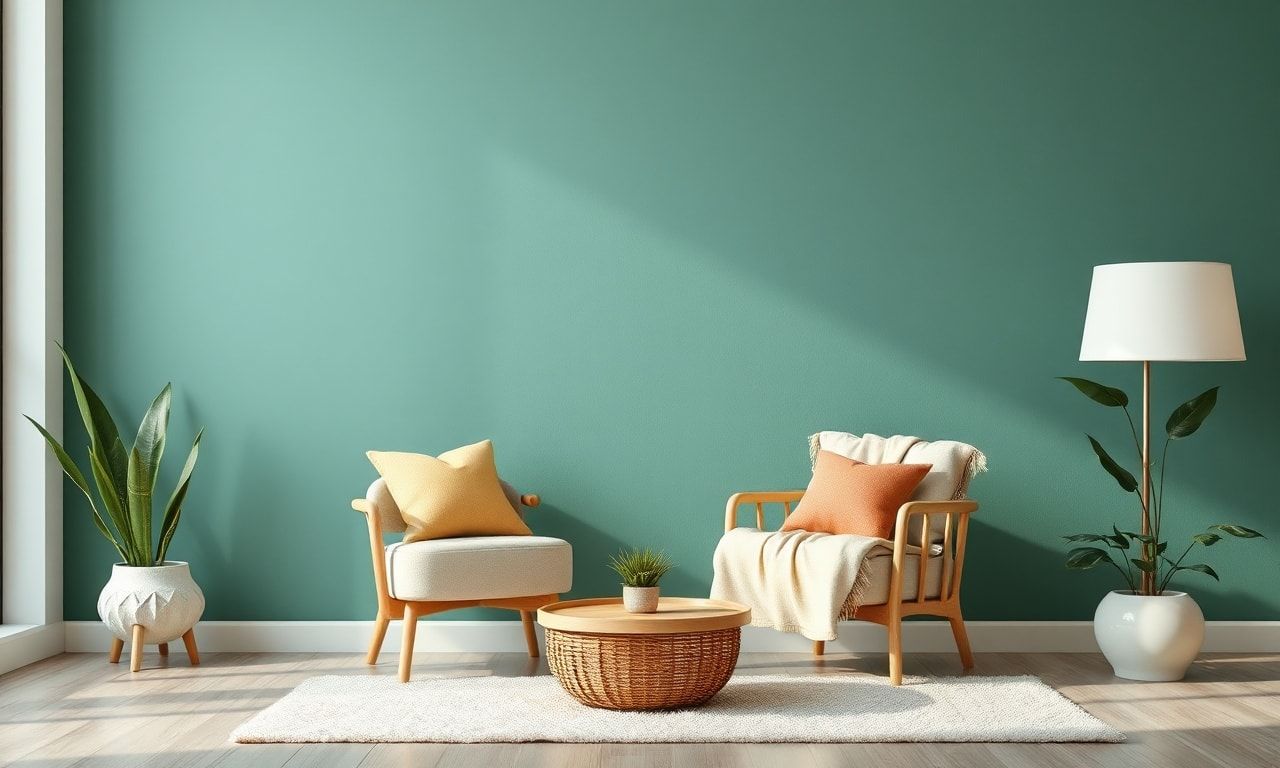
The Importance of a Healthy Home Environment
A healthy home environment is crucial for overall well-being, impacting both physical and mental health. The spaces we inhabit influence our mood, stress levels, and even our productivity. Creating a sanctuary that promotes relaxation and rejuvenation can significantly enhance mental health. This article explores the various aspects of designing a home environment that supports mental well-being, including the role of organization, natural elements, and personal touches.
The Role of Organization in Mental Health
Clutter and disorganization can lead to increased stress and anxiety. A study published in the Personality and Social Psychology Bulletin found that clutter can be overwhelming and contribute to feelings of chaos. Conversely, an organized space can promote a sense of calm and control. Start by decluttering one room at a time, donating or discarding items that no longer serve a purpose. Investing in storage solutions and maintaining a tidy space can make a significant difference in your mental state.
Incorporating Natural Elements
Bringing nature indoors can have a profound impact on mental health. Plants not only improve air quality but also have been shown to reduce stress and enhance mood. According to a study by the University of Exeter, indoor plants can increase productivity and overall well-being. Consider adding potted plants, flowers, or even a small indoor herb garden. Natural light is equally important; open curtains during the day to let in as much sunlight as possible. If natural light is limited, consider using full-spectrum lighting to mimic natural light.
Creating Personalized Spaces
Personalizing your home with items that bring you joy and comfort can create a sense of belonging and security. Displaying artwork, photographs, or mementos that hold personal significance can evoke positive emotions and reduce stress. Additionally, incorporating favorite colors and textures can make a space feel more inviting and cozy. For those who enjoy DIY projects, consider using best home improvement tools for DIY projects to create custom furniture or decor that reflects your personal style.
The Impact of Color Psychology
Colors have a powerful influence on our emotions and behaviors. Warm colors like red, orange, and yellow can evoke feelings of energy and excitement, while cool colors like blue, green, and purple promote calmness and relaxation. Choosing a color palette that aligns with the mood you want to create in each room can enhance your overall well-being. For example, using soft blues and greens in a bedroom can create a serene and restful atmosphere, while brighter colors in a home office can boost creativity and focus.
Designing for Relaxation and Rejuvenation
Creating a space dedicated to relaxation can provide a much-needed escape from daily stressors. Consider setting up a cozy reading nook with comfortable seating, soft lighting, and a selection of favorite books. A meditation or yoga area can also promote mindfulness and reduce anxiety. Incorporating elements like scented candles, essential oil diffusers, and comfortable cushions can enhance the relaxation experience. Additionally, ensuring that your bedroom is a sanctuary for sleep is crucial. Invest in a comfortable mattress, use blackout curtains, and keep the room cool and quiet to promote restful sleep.
Maintaining a Healthy Home Environment
Regularly cleaning and maintaining your home is essential for both physical and mental health. Dust, allergens, and pollutants can exacerbate allergies and respiratory issues, leading to discomfort and stress. Establish a cleaning routine that includes dusting, vacuuming, and washing bedding regularly. Using non-toxic cleaning products can also improve indoor air quality and reduce exposure to harmful chemicals. Additionally, ensuring proper ventilation and humidity levels can prevent the growth of mold and mildew, which can negatively impact health.
Conclusion
Creating a home environment that supports mental well-being involves a combination of organization, natural elements, personal touches, and thoughtful design. By incorporating these elements, you can transform your home into a sanctuary that promotes relaxation, rejuvenation, and overall health. Remember, a healthy home is not just about aesthetics; it’s about creating a space that nurtures your mind, body, and soul.