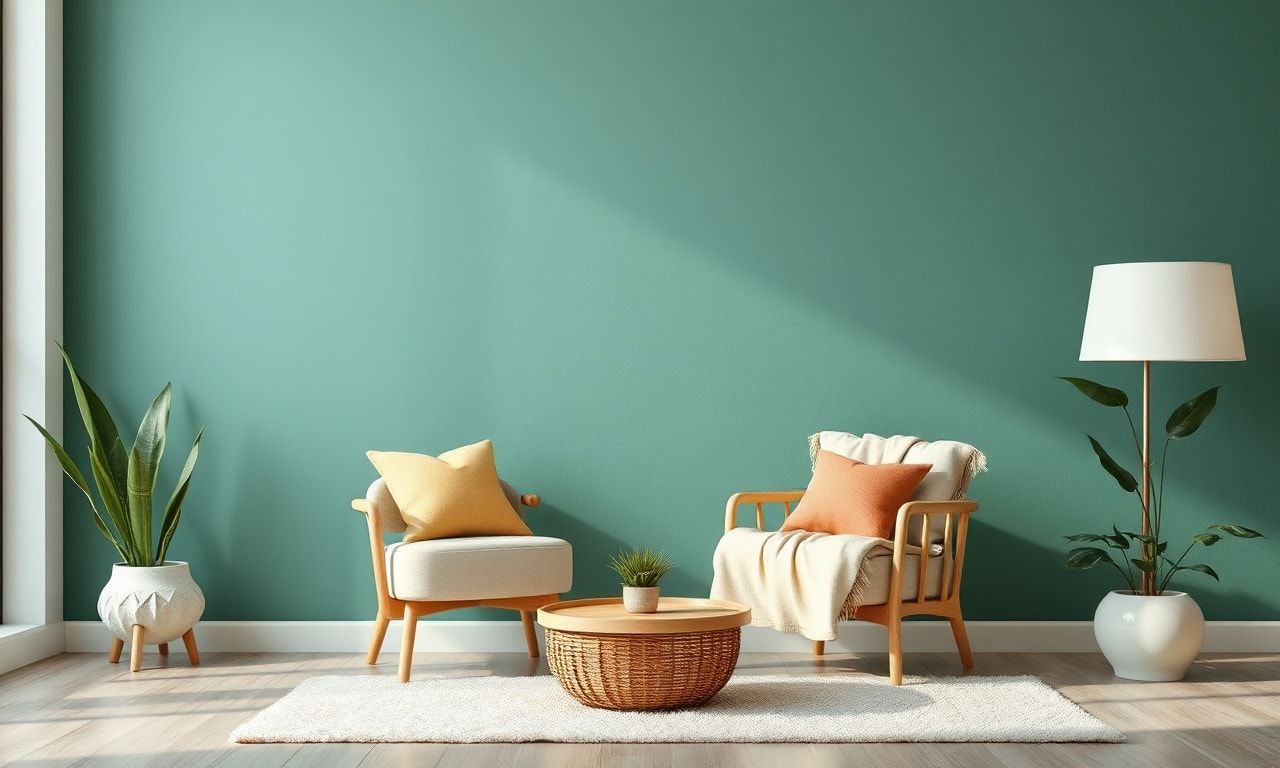
The Importance of a Healthy Home Environment
A healthy home environment is crucial for overall well-being, influencing both physical and mental health. The spaces we inhabit can significantly impact our mood, stress levels, and productivity. Creating a sanctuary that promotes relaxation and rejuvenation is essential for maintaining a balanced lifestyle. This article explores how to optimize your living space for better mental health, incorporating elements of wellness, fitness, and nutrition.
Designing a Space for Mental Well-being
Designing a space that fosters mental well-being involves more than just aesthetics. It’s about creating a functional and comforting environment that supports your daily routines and promotes relaxation. Consider the following tips to enhance your living space:
- Natural Light: Maximize natural light by using sheer curtains or blinds. Natural light boosts mood and helps regulate your circadian rhythm, improving sleep quality.
- Color Scheme: Opt for calming colors like blues, greens, and neutrals. These colors have a soothing effect and can reduce stress levels.
- Declutter: A clutter-free space reduces anxiety and promotes a sense of calm. Regularly declutter and organize your home to maintain a peaceful environment.
- Indoor Plants: Incorporate indoor plants to improve air quality and add a touch of nature to your space. Plants like snake plants, spider plants, and peace lilies are excellent choices.
Home Improvement Tips and News
For more inspiration on creating a healthy home environment, check out home improvement tips and news. These resources provide valuable insights into designing and maintaining a space that supports your well-being.
Incorporating Fitness into Your Home
Regular physical activity is vital for mental health, reducing symptoms of anxiety and depression. Creating a dedicated space for fitness within your home can make it easier to stay active. Here are some ideas to incorporate fitness into your living space:
- Home Gym: Set up a small home gym with essential equipment like dumbbells, resistance bands, and a yoga mat. This makes it convenient to work out at any time.
- Exercise Room: Designate a room or a corner of your home as an exercise space. Ensure it’s well-ventilated and has enough space for various workouts.
- Fitness Apps: Use fitness apps to guide your workouts. These apps offer a variety of exercises, from yoga to high-intensity interval training (HIIT), tailored to your fitness level.
Nutrition and Mental Health
Nutrition plays a pivotal role in mental health. A balanced diet rich in nutrients supports brain function and helps manage stress. Here are some nutritional tips to boost your mental well-being:
- Omega-3 Fatty Acids: Found in fatty fish like salmon, walnuts, and flaxseeds, omega-3 fatty acids are essential for brain health and can reduce symptoms of depression.
- Probiotics: Gut health is linked to mental health. Incorporate probiotic-rich foods like yogurt, kefir, and sauerkraut into your diet to support a healthy gut microbiome.
- Vitamin D: Adequate vitamin D levels are crucial for mental health. Spend time outdoors in the sunlight and include vitamin D-rich foods like eggs, fortified dairy products, and fatty fish in your diet.
- Hydration: Staying hydrated is essential for overall health. Drink plenty of water throughout the day to support brain function and maintain energy levels.
Creating a Relaxation Routine
Establishing a relaxation routine can significantly improve your mental health. Dedicate time each day to activities that help you unwind and de-stress. Here are some relaxation techniques to incorporate into your routine:
- Meditation: Practice mindfulness meditation to reduce stress and improve focus. Even a few minutes of meditation each day can make a difference.
- Deep Breathing: Deep breathing exercises help calm the mind and reduce anxiety. Try the 4-7-8 breathing technique: inhale for 4 seconds, hold for 7 seconds, and exhale for 8 seconds.
- Yoga: Yoga combines physical postures, breathing exercises, and meditation to promote relaxation and mental clarity. Incorporate yoga into your daily routine for a holistic approach to well-being.
- Reading: Reading a book can be a great way to relax and escape from daily stressors. Choose books that inspire and uplift you.
Conclusion
Creating a healthy home environment that supports mental well-being is essential for a balanced lifestyle. By incorporating elements of wellness, fitness, and nutrition into your living space, you can create a sanctuary that promotes relaxation and rejuvenation. Remember to seek inspiration from resources like home improvement tips and news to continuously enhance your home environment. Prioritize your mental health and make your home a place where you can thrive.