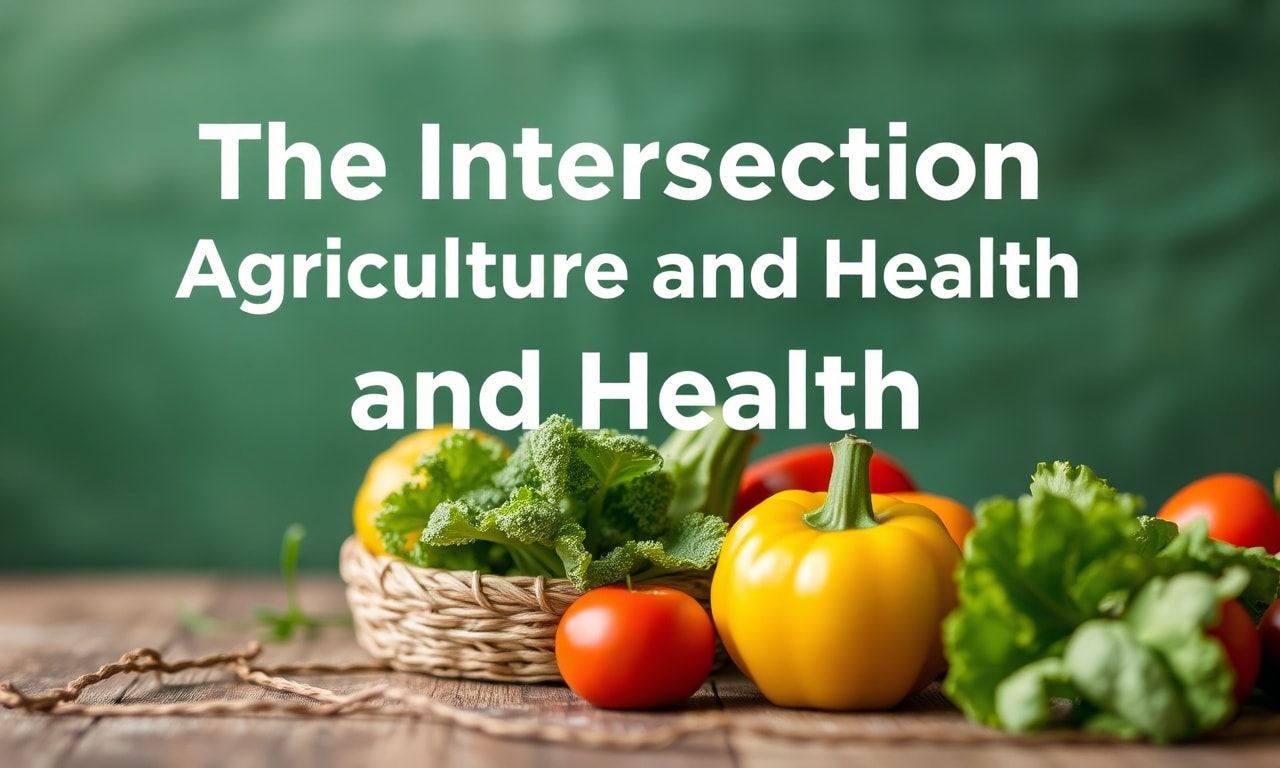
The Importance of Fresh Produce in a Healthy Diet
A healthy diet is the cornerstone of overall well-being, and fresh produce plays a pivotal role in achieving this. Fruits and vegetables are packed with essential vitamins, minerals, and antioxidants that help combat various health issues, from heart disease to certain types of cancer. Incorporating a variety of fresh produce into your diet can significantly improve your health and longevity.
The Role of Agriculture in Health
Agriculture is not just about growing food; it’s about growing food that nourishes and heals. The quality of the produce you consume is directly linked to the agricultural practices used to grow it. Organic farming, for instance, avoids the use of synthetic pesticides and fertilizers, resulting in produce that is not only healthier for you but also for the environment. Understanding the source of your food can help you make better choices for your health.
Understanding the Market for Fresh Produce
To make informed decisions about the produce you consume, it’s essential to stay updated on the tarım ürünleri piyasası güncel. The market for fresh produce is dynamic and influenced by various factors such as seasonality, weather conditions, and global trade. By keeping an eye on market trends, you can ensure that you are getting the freshest and most nutritious produce available. This knowledge can also help you make cost-effective choices, as prices can fluctuate based on supply and demand.
Health Benefits of Seasonal Produce
Seasonal produce is not only fresher but also more nutritious. Fruits and vegetables that are in season have had more time to ripen naturally, which enhances their flavor and nutritional content. For example, strawberries that are in season are sweeter and contain higher levels of antioxidants compared to those that are out of season. Eating seasonal produce also supports local farmers and reduces the environmental impact of transporting food over long distances.
Nutritional Advantages
Seasonal produce is often more nutrient-dense because it is harvested at the peak of its ripeness. This means that it contains higher levels of vitamins, minerals, and antioxidants. For instance, apples picked in the fall have more quercetin, a powerful antioxidant, compared to those picked earlier in the season. By incorporating seasonal produce into your diet, you can maximize the nutritional benefits and support your overall health.
Tips for Incorporating More Fresh Produce into Your Diet
Incorporating more fresh produce into your diet doesn’t have to be complicated. Here are some simple tips to help you get started:
- Plan Your Meals: Plan your meals for the week and make a list of the fresh produce you need. This will help you stay organized and ensure that you have a variety of fruits and vegetables on hand.
- Visit Farmers Markets: Farmers markets are a great place to find fresh, locally grown produce. You can also support local farmers and learn more about the farming practices used to grow the food.
- Try New Recipes: Experiment with new recipes that feature fresh produce. This can make eating healthy more exciting and help you discover new favorite foods.
- Snack Smart: Instead of reaching for processed snacks, opt for fresh fruits and vegetables. They are not only healthier but also more satisfying.
- Grow Your Own: If you have the space, consider growing your own fruits and vegetables. This can be a rewarding experience and ensure that you have access to the freshest produce.
The Impact of Fresh Produce on Mental Health
The benefits of fresh produce extend beyond physical health; they also play a crucial role in mental well-being. A diet rich in fruits and vegetables has been linked to lower rates of depression and anxiety. This is because the nutrients found in fresh produce, such as folate, vitamin B6, and antioxidants, support brain function and help regulate mood. Incorporating more fresh produce into your diet can be a simple yet effective way to support your mental health.
Supporting Brain Function
Fresh produce contains essential nutrients that support brain function and cognitive health. For example, leafy greens like spinach and kale are rich in folate, which is important for brain development and function. Berries, such as blueberries and strawberries, are high in antioxidants that help protect the brain from oxidative stress and inflammation. By including a variety of fresh produce in your diet, you can support your brain health and reduce the risk of cognitive decline.
In conclusion, the intersection of agriculture and health is a fascinating and important topic. By understanding the role of fresh produce in a healthy diet and staying informed about the market for fresh produce, you can make better choices for your health and well-being. Incorporating more fresh produce into your diet can have numerous benefits, from improving physical health to supporting mental well-being. So, start exploring the world of fresh produce and discover the many ways it can enhance your life.
As we embrace the new season, it’s essential to consider how our choices, including fashion, can impact our overall well-being. Discover the latest trends in spring summer fashion 2023 that align with a healthier, more sustainable lifestyle.
To better understand the source of our food and its impact on our health, delve into the current agricultural market trends shaping global nutrition.
Delve into the fascinating connection between our food sources and overall health by exploring agriculture’s influence on well-being, a topic that’s increasingly relevant to our wellness journeys.