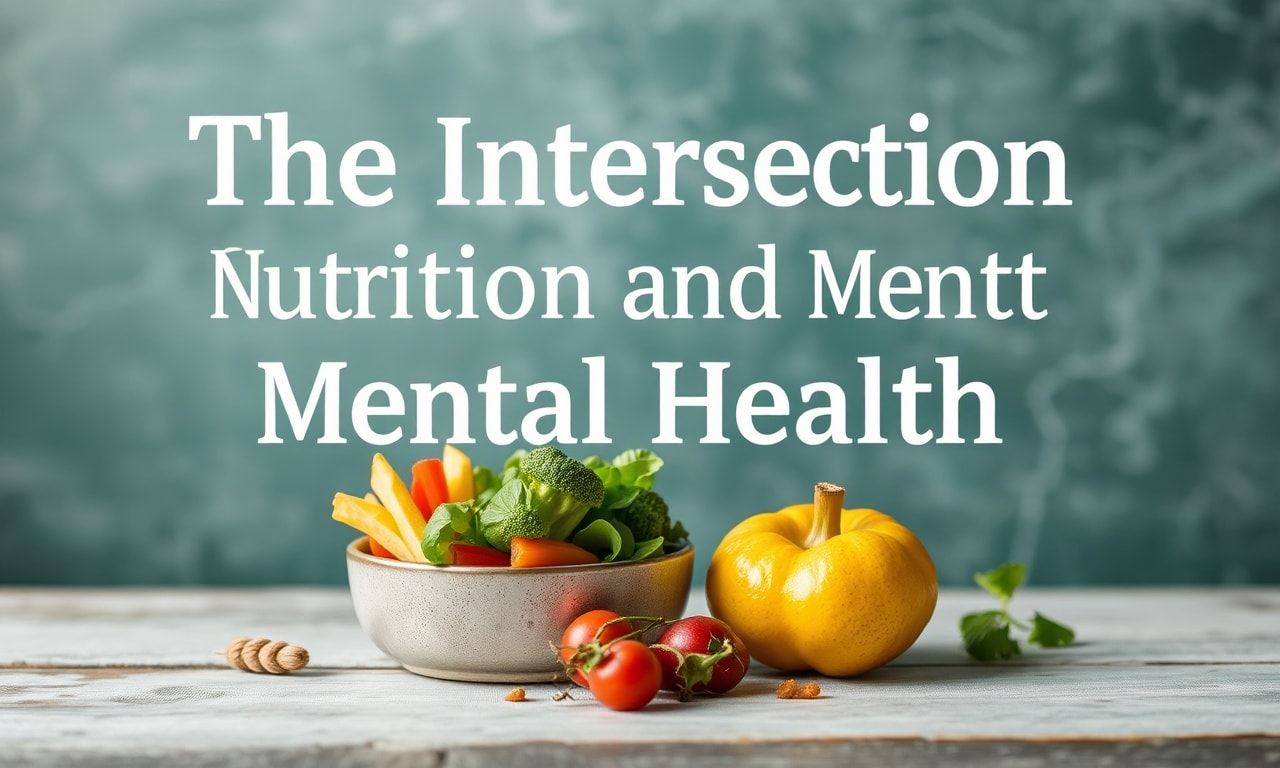
The Gut-Brain Connection
The relationship between nutrition and mental health is a burgeoning field of study, with researchers uncovering compelling evidence that underscores the intricate connection between our gut and brain. This bidirectional communication, often referred to as the gut-brain axis, is mediated by the vagus nerve, immune system, and the production of neurotransmitters and metabolites. Emerging research suggests that the composition of our gut microbiota can influence brain function and behavior, impacting everything from mood and cognition to stress response and mental health disorders.
Microbiome and Mental Health
The human gut hosts a diverse ecosystem of microorganisms, collectively known as the microbiome. These microbes play a pivotal role in maintaining overall health, including mental well-being. Studies have shown that imbalances in gut bacteria, often referred to as dysbiosis, are associated with various mental health conditions, such as depression, anxiety, and even autism spectrum disorder. Probiotics and prebiotics, which promote the growth of beneficial bacteria, have been shown to improve mood and reduce symptoms of depression and anxiety in some individuals.
The Role of Diet in Mental Health
Diet is a critical factor in shaping the composition of the gut microbiome and, consequently, mental health. A diet rich in fruits, vegetables, whole grains, lean proteins, and healthy fats can promote the growth of beneficial bacteria and reduce inflammation, which is linked to improved mental health outcomes. Conversely, a diet high in processed foods, sugar, and unhealthy fats can disrupt the gut microbiome and contribute to mental health issues.
For those seeking to explore the intersection of nutrition and mental health through cultural lenses, asian cuisine food tours in shanghai offer a unique opportunity to experience the diverse flavors and ingredients that have been traditionally used to support both physical and mental well-being. These culinary experiences can provide insights into the healing properties of various foods and their potential benefits for mental health.
Key Nutrients for Mental Health
Certain nutrients are particularly important for mental health. Omega-3 fatty acids, found in fatty fish, flaxseeds, and walnuts, are essential for brain function and have been shown to reduce symptoms of depression and anxiety. B vitamins, particularly B6, B9 (folate), and B12, play a crucial role in neurotransmitter synthesis and are vital for maintaining mental health. Antioxidants, found in colorful fruits and vegetables, help combat oxidative stress and inflammation, which are linked to mental health disorders.
Lifestyle Factors and Mental Health
In addition to diet, lifestyle factors such as exercise, sleep, and stress management are integral to mental health. Regular physical activity has been shown to improve mood, reduce symptoms of depression and anxiety, and enhance cognitive function. Adequate sleep is essential for brain health, as it allows the brain to consolidate memories, process emotions, and repair itself. Chronic stress, on the other hand, can disrupt the gut-brain axis and contribute to mental health issues.
Strategies for Improving Mental Health
Adopting a holistic approach to mental health involves addressing both dietary and lifestyle factors. Incorporating a balanced diet rich in nutrient-dense foods, engaging in regular physical activity, prioritizing quality sleep, and practicing stress-reduction techniques such as mindfulness and meditation can all contribute to improved mental well-being. Additionally, seeking professional help when needed and staying connected with a supportive community can provide valuable resources and support for maintaining mental health.
Conclusion
The intersection of nutrition and mental health is a complex and multifaceted field, with emerging research highlighting the critical role of the gut-brain axis in mental well-being. By adopting a balanced diet, engaging in regular physical activity, prioritizing sleep, and managing stress, individuals can support their mental health and improve their overall quality of life. As our understanding of the gut-brain connection continues to evolve, so too will our approaches to promoting mental health and well-being.
Discover the secrets to maintaining a healthy lifestyle without sacrificing your favorite treats by exploring healthy eating strategies that nourish both body and mind.
To enhance your wellness routine, consider exploring the art of relaxation through massage, a practice known to reduce stress and improve mental health.
To discover how animation can positively influence children’s mental well-being and creativity, explore the enchanting world of kids’ movies and its benefits.