The Gut-Brain Connection
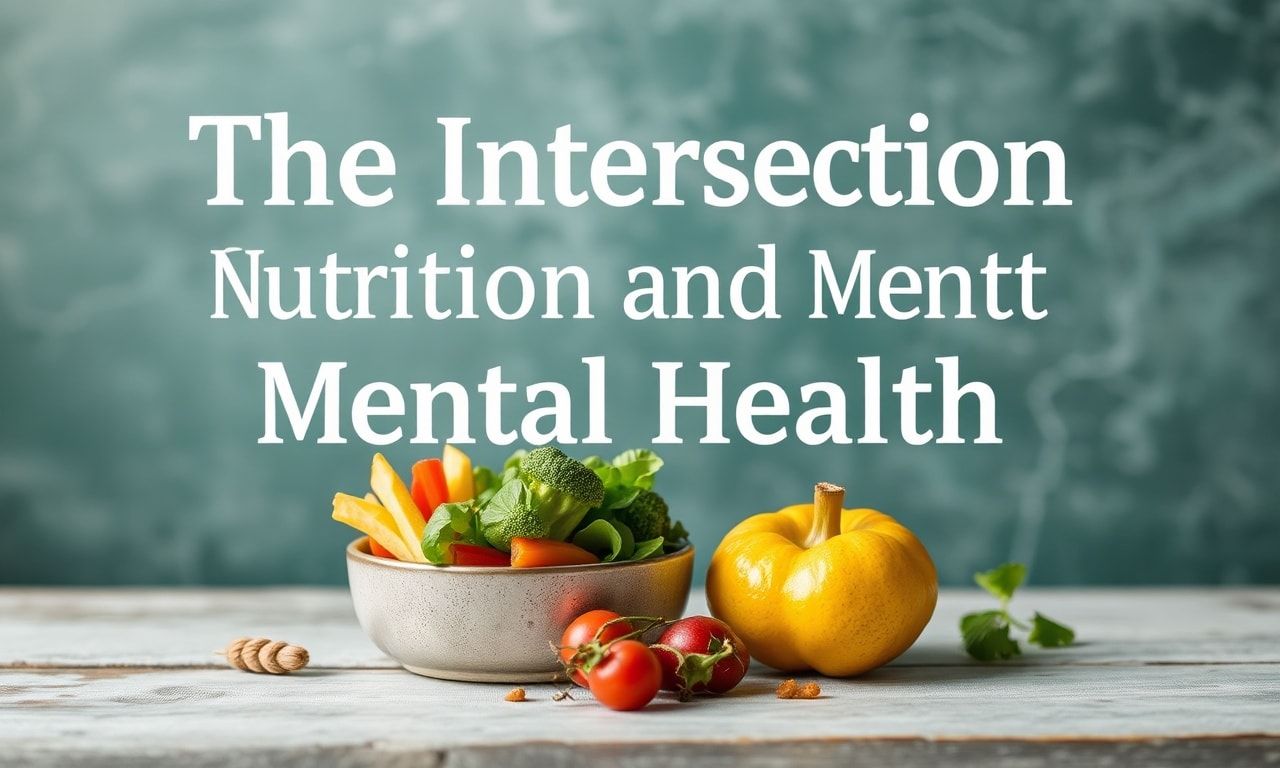
The relationship between nutrition and mental health is a burgeoning field of study, with researchers uncovering the profound impact of diet on brain function and emotional well-being. At the heart of this connection lies the gut-brain axis, a complex communication system that links the gastrointestinal tract with the central nervous system. Emerging evidence suggests that the trillions of bacteria residing in the gut, collectively known as the microbiome, play a pivotal role in regulating mood, cognition, and even behavior.
For instance, studies have shown that individuals with mental health conditions such as depression and anxiety often exhibit altered gut microbiota compositions compared to their healthy counterparts. This has led scientists to hypothesize that targeted dietary interventions could potentially ameliorate symptoms of these disorders by restoring microbial balance. To stay informed about the latest research in this area, consider checking out a daily news digest today that covers health and wellness topics.
The Role of Key Nutrients
Certain nutrients have been identified as particularly influential in supporting mental health. Omega-3 fatty acids, for example, are essential for brain function and have been shown to reduce inflammation, a key factor in the development of depressive symptoms. Foods rich in omega-3s include fatty fish like salmon, walnuts, and flaxseeds.
Similarly, B vitamins, particularly folate and vitamin B12, are crucial for the production of neurotransmitters such as serotonin and dopamine, which regulate mood. Leafy greens, legumes, and fortified cereals are excellent sources of these vital nutrients. Additionally, antioxidants found in fruits, vegetables, and nuts help combat oxidative stress, which has been linked to cognitive decline and mood disorders.
Dietary Patterns and Mental Health
Beyond individual nutrients, overall dietary patterns have been found to significantly impact mental health. The Mediterranean diet, characterized by high intake of fruits, vegetables, whole grains, legumes, and olive oil, has been consistently associated with a lower risk of depression and anxiety. This diet’s emphasis on plant-based foods and healthy fats provides a robust array of nutrients that support brain health.
Conversely, diets high in processed foods, refined sugars, and unhealthy fats have been linked to an increased risk of mental health issues. These foods can contribute to inflammation, insulin resistance, and oxidative stress, all of which can negatively impact brain function. Adopting a balanced diet rich in whole, nutrient-dense foods is therefore a critical strategy for maintaining mental well-being.
Practical Tips for a Mental Health-Boosting Diet
Incorporating mental health-supportive foods into your diet doesn’t have to be complicated. Here are some practical tips to get you started:
- Prioritize Whole Foods: Focus on consuming a variety of fruits, vegetables, whole grains, lean proteins, and healthy fats.
- Stay Hydrated: Adequate hydration is essential for optimal brain function. Aim for at least 8 glasses of water daily.
- Limit Processed Foods: Reduce your intake of sugary snacks, refined carbohydrates, and processed meats, which can negatively impact mental health.
- Include Probiotic Foods: Foods like yogurt, kefir, and sauerkraut contain beneficial probiotics that support a healthy gut microbiome.
- Plan Your Meals: Meal planning can help you make healthier choices and ensure you’re getting a balanced diet.
The Impact of Hydration
Hydration is often overlooked but is crucial for mental health. Even mild dehydration can impair cognitive function, mood, and concentration. Ensuring adequate water intake throughout the day can help maintain optimal brain performance and emotional stability. Herbal teas, infused waters, and electrolyte-rich beverages can also contribute to overall hydration.
Conclusion
The connection between nutrition and mental health is undeniable, with diet playing a significant role in brain function and emotional well-being. By focusing on nutrient-dense foods, staying hydrated, and adopting a balanced dietary pattern, you can support your mental health and overall well-being. For more insights into the latest health research, consider following a daily news digest today that covers a wide range of health topics.